
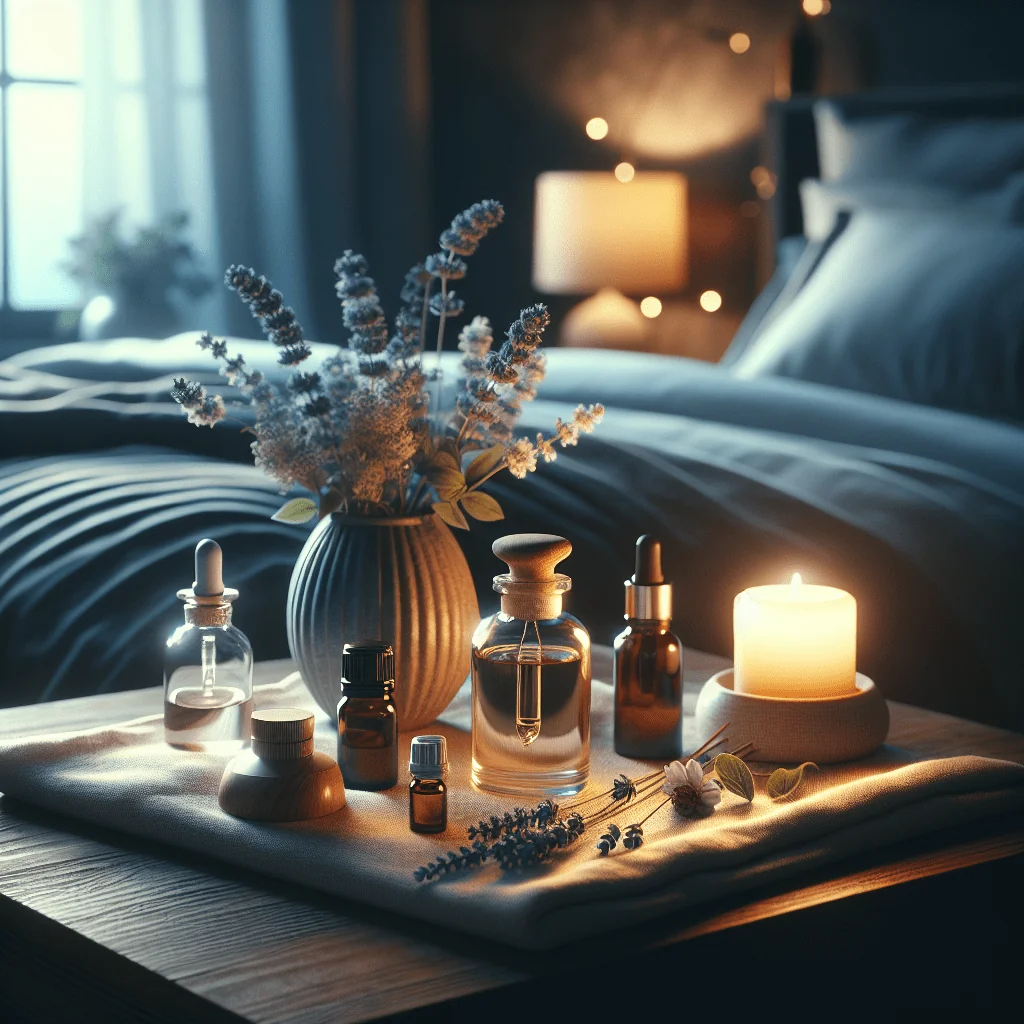
Aromatherapy Oils for Sleep: A Practical Blueprint for Better Rest
Aromatherapy Oils for Sleep: A Practical Blueprint for Better Rest Aromatherapy oils for sleep are a gentle way to calm your mind and body before bed. Used...
In this article
Aromatherapy oils for sleep are a gentle way to calm your mind and body before bed. Used wisely, they can support good sleep hygiene, help you fall asleep fast, and fit into the best bedtime routine for adults. This blueprint shows how aromatherapy combines with proven habits like fixing your sleep schedule, limiting blue light, handling naps, and improving deep sleep so you wake rested instead of tired after 8 hours of sleep.
Blueprint Overview: How This Sleep Guide Is Structured
This article follows a clear sleep blueprint that connects aromatherapy with key rest habits. Each section answers common questions such as how many hours of sleep you need, why you wake at night, and how to recover from sleep deprivation. Use this structure as a repeatable plan you can adjust to your own life.
- Understand how aromatherapy affects relaxation and sleep quality.
- Choose oils that match your needs and sensitivity.
- Pick safe methods to use oils at night.
- Build a sleep hygiene checklist around your routine.
- Shape the best bedtime routine for adults in your home.
- Combine oils with other sleep tools like magnesium or melatonin.
- Look at deeper sleep problems such as night waking and fatigue.
- Reduce stress, screen time, and late scrolling before bed.
- Use naps, rest days, and recovery habits in a smart way.
- Apply safety rules and know when aromatherapy is not enough.
Follow these steps in order the first time. Later, you can jump to the parts that match your current sleep problem, such as how to fix a sleep schedule or how to track sleep accurately.
How Aromatherapy Oils Affect Relaxation and Sleep
Aromatherapy uses concentrated plant extracts, called essential oils, to affect mood and stress. When you smell an oil, scent signals move from your nose to brain areas that handle emotion, memory, and alertness. This is why some scents feel calming while others feel sharp or energizing.
For better sleep, the goal is to lower stress and slow racing thoughts so you can fall asleep fast and stay asleep. Aromatherapy oils for sleep work best as part of a bigger sleep hygiene plan that also covers light exposure, room temperature, stress levels, and daily routines. Oils support sleep, but they do not replace healthy habits or medical care.
People respond differently to scents based on history, culture, and biology. An oil that feels soothing to one person may feel too strong or even annoying to someone else. Start simple, use small amounts, and notice how your body reacts during the night and the next morning.
Best Aromatherapy Oils for Sleep and Their Effects
Several essential oils are often used to support better sleep and deeper rest. Each has a slightly different effect, so you can choose based on your mood, stress level, and scent preference. These oils can become part of your nightly signal that it is time to wind down.
- Lavender: A classic sleep oil used to calm anxiety, quiet a racing mind, and support deeper rest.
- Chamomile (Roman or German): Gentle and soothing; often used when you feel tense, irritable, or on edge at night.
- Bergamot: A citrus oil that is calming instead of stimulating; many use it to ease stress and pre-sleep worry.
- Cedarwood: Woody, grounding scent; helpful for people who feel wired or overstimulated in the evening.
- Ylang Ylang: Sweet floral oil that may reduce feelings of stress and support a sense of comfort and safety.
- Clary Sage: Earthy, herbal scent; some use it for mood balance and to ease mental tension before bed.
Begin with one or two oils rather than a large blend. This makes it easier to see what actually helps you fall asleep, what might disturb you, and what has no clear effect on your deep sleep or night awakenings.
Using Aromatherapy Oils Safely in Your Night Routine
To use aromatherapy oils for sleep safely, focus on gentle, indirect methods. Essential oils are very concentrated and need care, especially around children, pets, older adults, and people with allergies or asthma. Never assume more oil means better sleep.
Below is a quick comparison of common ways to use oils at night and how they fit into a complete sleep hygiene plan that also looks at blue light, room conditions, and stress.
Common Ways to Use Aromatherapy Oils for Sleep
| Method | How It Works | Best For | Key Safety Tips |
|---|---|---|---|
| Diffuser | Add a few drops to water; scent spreads through the room. | Gentle background scent as you fall asleep fast. | Use a small amount; run 30–60 minutes before bed, not all night. |
| Pillow or linen spray | Water-based spray with a small amount of diluted oil. | Light scent on pillow, sheets, or sleep mask. | Do not spray pure oil; avoid eyes, mouth, and direct facial skin. |
| Topical roll-on | Pre-diluted oil applied to wrists, neck, or chest. | People who enjoy smelling the oil up close. | Patch test first; avoid broken or irritated skin. |
| Warm bath | A few drops mixed into a carrier oil, then added to bath water. | Relaxing pre-bed ritual that can cool your body after. | Always dilute in carrier oil; pure oil can irritate skin. |
| Inhalation from tissue | One drop on a tissue held near the nose and inhaled. | Quick calming effect during stress or brief night waking. | Do not let pure oil touch skin; keep away from children and pets. |
Whichever method you choose, keep the scent subtle. Strong smells can trigger headaches, nausea, coughing, or irritation and may disturb sleep instead of helping it, especially if you already struggle with why you wake up at night.
Sleep Hygiene Checklist Built Around Aromatherapy
Aromatherapy works best when it supports solid sleep hygiene habits. Think of oils as the final layer on top of a stable base of routine, light control, and stress management. A checklist helps you apply this blueprint every night with less guesswork.
Use this simple sleep hygiene checklist and add aromatherapy where it fits your evening:
- Keep a regular sleep schedule: go to bed and wake up at the same time every day.
- Limit long or late naps; keep naps short and avoid late afternoon naps.
- Avoid heavy meals, caffeine, and alcohol close to bedtime.
- Reduce bright and blue light from screens at least 60 minutes before bed.
- Keep your bedroom dark, quiet, and cool with a slightly cool room temperature.
- Use your bed only for sleep and sex, not for work, TV, or endless scrolling.
- Add a calming pre-bed routine: aromatherapy, light stretching, reading, or breathing exercises.
When you combine aromatherapy oils for sleep with these habits, you send your body and brain a clear and repeatable signal that night is for rest. This supports deeper sleep cycles and can reduce how often you wake up at night for no clear reason.
Designing the Best Bedtime Routine for Adults
A structured bedtime routine makes it easier to wind down at the same time every night. The best bedtime routine for adults is simple, repeatable, and realistic on busy days. Aromatherapy fits well here as a sensory cue that sleep is coming.
For example, 60–90 minutes before bed, dim the lights, lower screen brightness, and finish stimulating tasks. About 30–45 minutes before bed, start your chosen aromatherapy method, such as a diffuser or a warm bath with diluted oils. Pair the scent with a quiet activity like reading a print book or writing a short reflection about the day.
Over time, your brain links that scent and set of actions with sleep. This helps you fall asleep fast and can improve deep sleep, especially when you also reduce blue light, stick to a stable schedule, and avoid late caffeine.
How Many Hours of Sleep You Need and How Oils Fit In
Most healthy adults need several hours of sleep each night to feel and perform well, though the exact number varies by age, health, and activity level. Instead of chasing a perfect number, focus on how rested you feel, how often you wake, and whether you can think and move well during the day.
If you often ask, “Why am I tired after 8 hours sleep?” the answer may be poor sleep quality rather than low sleep quantity. Light sleep, frequent waking, or untreated conditions like sleep apnea can leave you exhausted even after a long time in bed. Aromatherapy can support relaxation but cannot replace deep, stable sleep cycles.
Use oils as part of a wider plan that includes a set bedtime and wake time, a cool dark room, and limited late naps. Track your energy, mood, and focus over several weeks to see if your new routine is working.
Combining Aromatherapy with Magnesium, Melatonin, and Sleep Tracking
Many people use aromatherapy along with other sleep supports like magnesium for sleep, melatonin, or sleep tracking devices. Knowing the role of each tool helps you build a safe, balanced plan and avoid overuse.
Magnesium for sleep may help some people relax, especially if their usual diet is low in magnesium-rich foods. Melatonin dosage for sleep is usually kept low and used short term, because melatonin is a hormone that affects your body clock and how you fix a sleep schedule. Aromatherapy does not act on hormones directly; instead, it works on mood and stress.
To track sleep accurately, combine a sleep tracker with a simple sleep diary. Record when you go to bed, how long you think it took to fall asleep, how often you woke at night, and how you felt in the morning. Use this data to test changes such as adjusting melatonin dosage, adding or removing magnesium, or shifting when you start your aromatherapy routine.
Why You Wake at Night or Feel Tired After Enough Sleep
Even with aromatherapy oils for sleep, you may still wake at night or feel tired after what seems like enough sleep. Scent alone cannot fix deeper issues that disturb your rest. Use your night symptoms as clues, not as random events.
Common reasons you wake at night include stress, late blue light exposure, irregular sleep schedule, uncomfortable room temperature, or physical issues like sleep apnea symptoms. Signs of sleep apnea can include loud snoring, gasping in sleep, morning headaches, and feeling very sleepy during the day. Aromatherapy may relax you, but it cannot treat breathing problems or other medical causes.
If you often feel tired after 8 hours sleep, your sleep quality may be poor. You might spend too much time in light sleep and not enough in deep sleep. To improve deep sleep, focus on a stable schedule, less evening screen time, a cool bedroom, reduced late caffeine, and gentle relaxation methods like aromatherapy, breathing exercises, and quiet reading.
Stress, Screens, and How to Stop Scrolling Before Bed
Many people lie in bed, scrolling on their phone, and then reach for aromatherapy when they still cannot sleep. In reality, blue light and constant mental stimulation from screens are major reasons you stay awake and ask why you wake up at night so often.
To stop scrolling before bed, set a “digital sunset” time. About one hour before bed, plug your phone to charge outside the bedroom or at least across the room. Replace screen time with a ritual that includes aromatherapy, such as reading a print book while your diffuser runs or doing light stretches while you inhale a calming scent from a tissue or roll-on.
To reduce stress for better sleep, add simple practices like slow breathing, light yoga, or writing down worries before bed. Aromatherapy can act as a trigger for these calming habits, which helps quiet your nervous system and prepares you for deep, steady sleep.
Naps, Recovery Habits, and Rest Days in Your Sleep Plan
Naps can be good or bad depending on timing and length. Short, early afternoon naps can support recovery, especially after hard workouts or a short night. Long or late naps can make it hard to fall asleep and may disturb your sleep schedule, leading to more night waking.
Recovery habits after workouts should include enough sleep, hydration, balanced food, and gentle movement, not just supplements or oils. Rest days, how many you need, and how you use them depend on your training load and overall stress. On rest days, a calm evening with aromatherapy can help your muscles and mind relax so your body repairs itself during deep sleep.
To fix a sleep schedule that has drifted late, focus on consistent wake times, morning light, and a strict cut-off for screens at night. Aromatherapy can make earlier bedtimes feel more pleasant, but the main drivers of change are regular timing, light exposure, and limiting naps that are too long or too late.
Recovering from Sleep Deprivation with a Gentle Blueprint
If you are recovering from sleep deprivation, you may feel tempted to sleep for many hours in one stretch or take long daytime naps. While a short catch-up period can help, very long naps and very late mornings can damage your sleep schedule further.
A better blueprint is to add a bit more sleep for a few nights, such as going to bed earlier, while keeping your wake time close to normal. Use aromatherapy as part of a quiet, screen-free wind-down so you can fall asleep fast even when your mind feels wired from fatigue.
During this recovery phase, keep caffeine moderate and avoid using it late in the day. Use naps sparingly and keep them short. Give your body several nights in a row with good conditions: cool room, dark space, low noise, and a steady routine supported by calming scents.
Safety Tips and When Aromatherapy Is Not Enough
Essential oils come from plants, but they are still powerful. Use aromatherapy oils for sleep with basic safety in mind. Do not apply undiluted oils directly on the skin. Keep oils away from eyes, mouth, and sensitive areas. Store bottles out of reach of children and pets, and label them clearly.
Some people, especially those with asthma, allergies, or migraines, may react to strong scents. Start with low amounts and stop use if you notice coughing, wheezing, headaches, nausea, or skin irritation. Pregnant or breastfeeding people and those with chronic conditions should talk with a health professional before using oils heavily or often.
If you suspect sleep apnea, have frequent night awakenings with gasping, or feel extremely tired despite many hours in bed, aromatherapy alone is not enough. In such cases, you may need medical evaluation to address the root cause of poor sleep and build a plan that goes beyond scent-based relaxation.
Bringing the Blueprint Together for Better Sleep
Aromatherapy oils for sleep work best as part of a complete blueprint that includes healthy habits, a consistent schedule, and stress management. Use calming scents like lavender, chamomile, or cedarwood as cues that your day is ending and rest is starting.
Combine these scents with a steady bedtime routine, reduced blue light, a cool and quiet room, smart naps, and enough rest days after workouts. Track how you feel in the morning, not just how you feel at bedtime. If you still struggle with how to fall asleep fast, wake often, or feel unrefreshed, add other proven practices, review magnesium and melatonin use with a professional, and seek medical advice when needed.
Used wisely, aromatherapy can turn your bedroom into a calmer space and support the deep, stable sleep your body needs to recover from daily stress and exercise. Over time, this blueprint can help you move from tired after 8 hours sleep to truly restored and ready for the day.