Best Wake-Up Light Alarm Clocks: A Practical Sleep-Focused Guide
Best Wake-Up Light Alarm Clocks: How to Choose One That Actually Improves Your Sleep If you are searching for the best wake-up light alarm clocks, you are...
In this article
If you are searching for the best wake-up light alarm clocks, you are probably tired of harsh, jarring alarms. A good sunrise clock can support better sleep, smoother mornings, and a more stable body clock. To choose the right one, you need to think beyond features and focus on real sleep needs: how to fall asleep fast, how to fix your sleep schedule, and how to wake feeling rested.
How Wake-Up Light Alarm Clocks Work With Your Body Clock
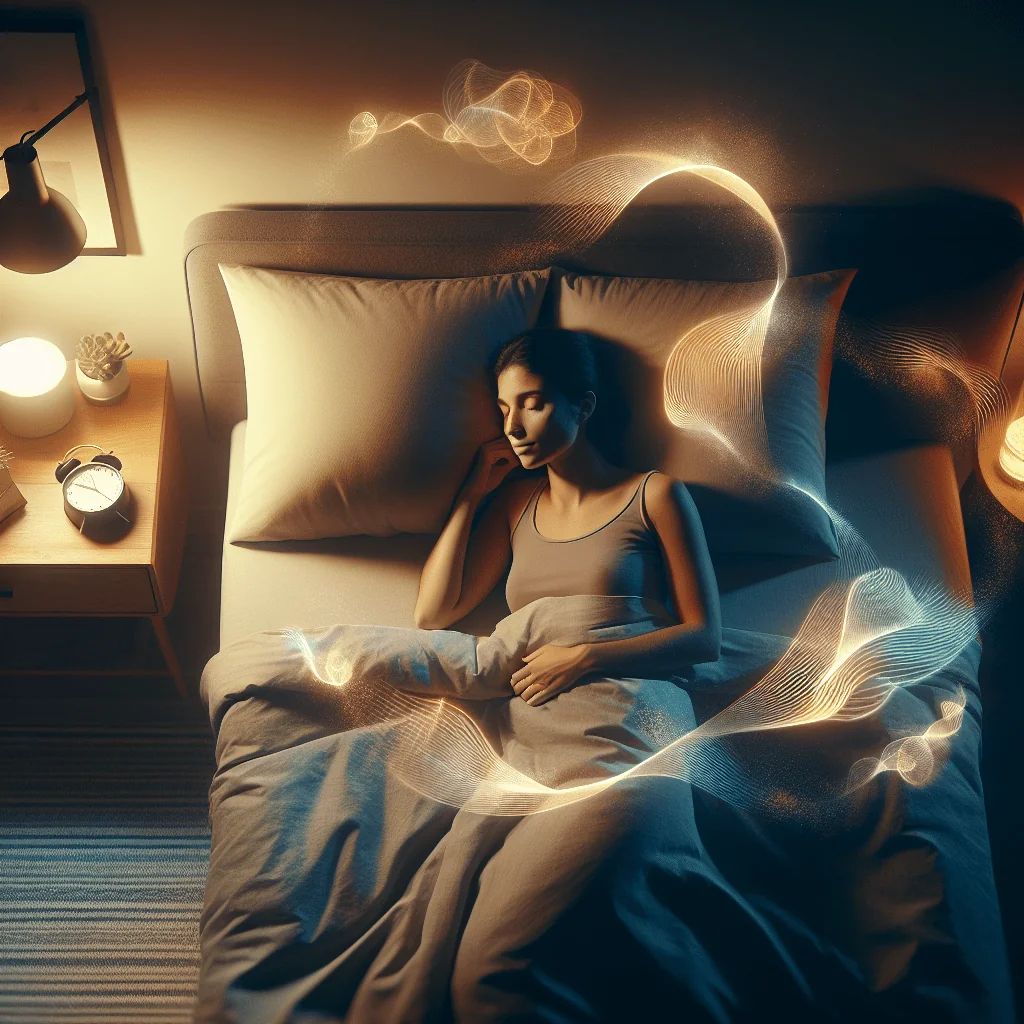
Wake-up light alarm clocks use gradual light to mimic sunrise. This light reaches your eyes through closed eyelids and signals your brain that morning is coming. The brain then starts to reduce melatonin and prepare your body to wake up.
This process links directly to your circadian rhythm, the 24-hour internal clock that shapes sleep and wake cycles. A steady light cue at the same time each morning can help fix a drifting sleep schedule, reduce grogginess, and support deeper sleep at night.
For many people, a sunrise alarm also cuts down on “sleep inertia,” that heavy, confused feeling right after waking. Instead of a sudden blast of sound, your body has 20–40 minutes to shift from deep sleep into lighter stages before you open your eyes.
Key Features That Matter in the Best Wake-Up Light Alarm Clocks
To find the best wake-up light alarm clocks for real sleep benefits, focus on features that match how your body sleeps and wakes, not just on design or brand names. The features below have the biggest impact on comfort and effectiveness.
- Gradual sunrise duration: Look for adjustable sunrise length, usually 20–60 minutes. Shorter durations can work if you fall asleep late; longer ones feel more natural if you sleep on a regular schedule.
- Brightness range: A wide brightness range helps if you are sensitive to light or share a room. You want dim, warm light at night and enough brightness in the morning to wake you gently.
- Light color temperature: Warmer tones in the evening feel calmer and are less likely to disrupt melatonin. Cooler, brighter tones in the morning are better for wakefulness and alertness.
- Sound options: Gentle sounds or nature noises can back up the light in case you sleep through it. Adjustable volume is important if you are a deep sleeper or live in a noisy area.
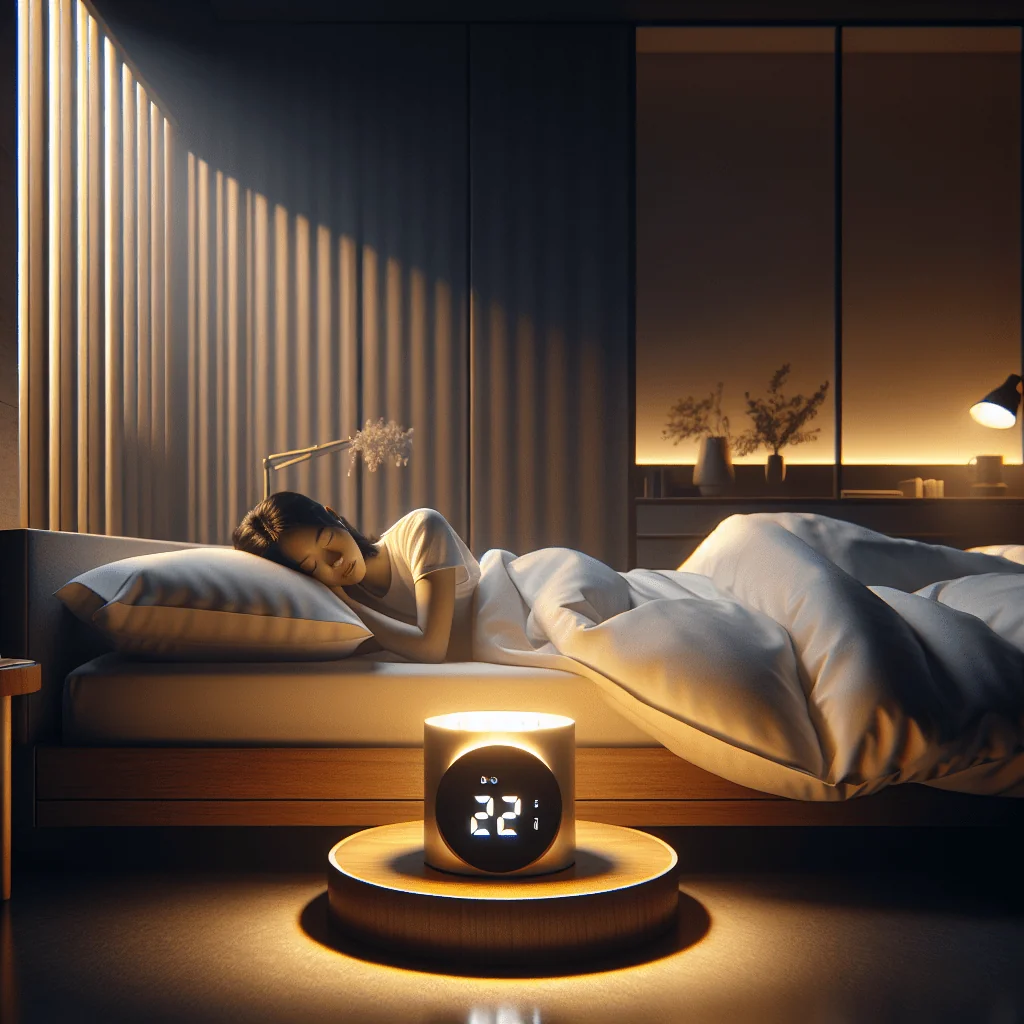
- Display dimming: A clock that fully dims or turns off the display supports good sleep hygiene. Bright digital numbers at night can disturb light-sensitive sleepers.
- Bedtime mode: Some clocks offer sunset simulations or wind-down programs. These can help you stop scrolling before bed and shift into a calmer state.
- Backup alarm: A louder backup alarm or phone sync is useful if you have a strict wake time, early flights, or an irregular schedule.
Once you know which features matter most, you can match them to your sleep problems: trouble falling asleep, waking at night, or feeling tired after 8 hours of sleep.
Comparison Guide: Matching Wake-Up Light Types to Sleep Needs
This quick comparison table shows how different styles of wake-up light alarm clocks line up with common sleep goals. Use it as a shortcut before you read the deeper sections.
Comparison of wake-up light types by main sleep goals
| Wake-Up Light Type | Best For | Sleep Issues It Can Help With | Potential Drawbacks |
|---|---|---|---|
| Basic sunrise-only clock | People who wake to light easily | Gentler mornings, mild schedule drift | Less helpful for insomnia or frequent night waking |
| Sunrise + sunset clock | Those who struggle to fall asleep fast | Wind-down routine, better sleep hygiene, more stable schedule | More settings to manage; may cost more |
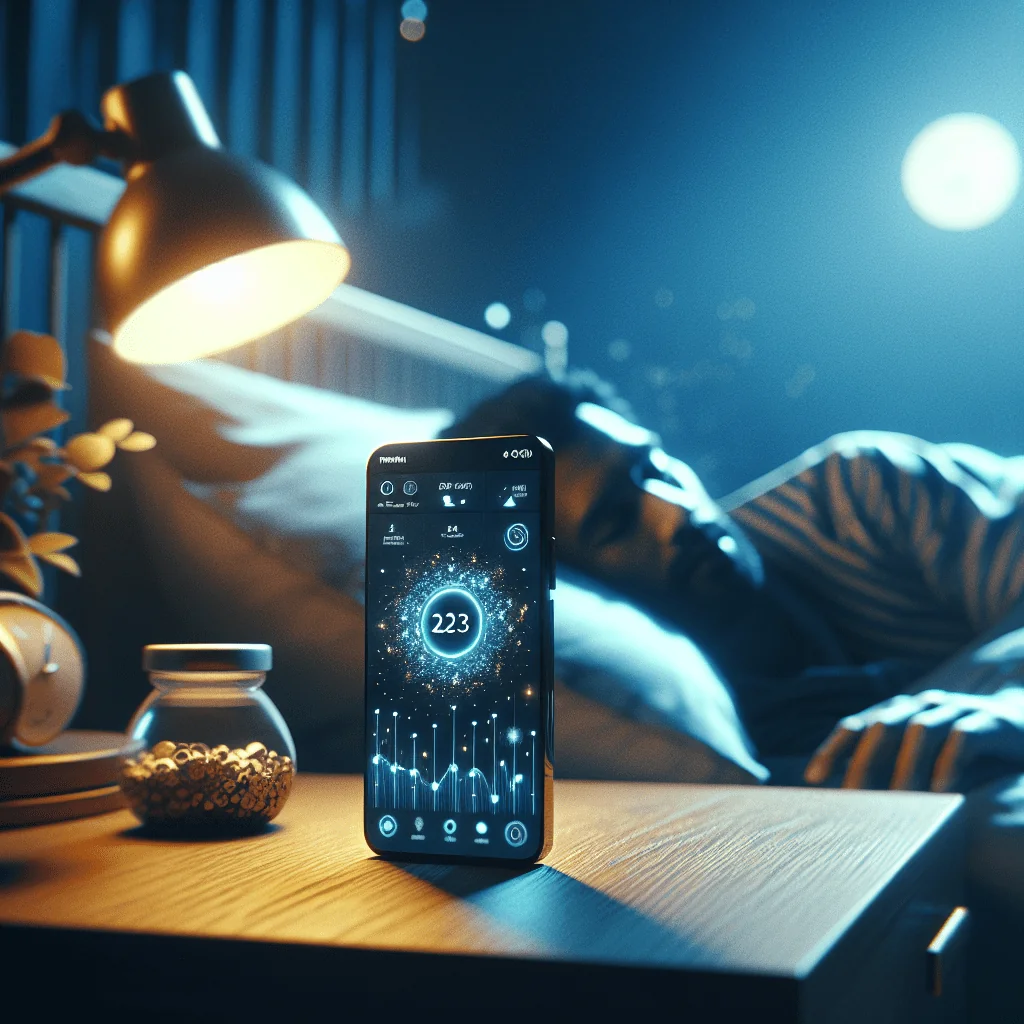
| Smart app-connected wake-up light | People who track sleep and workouts | Aligning light with sleep data, recovery planning | App dependence, more complex setup |
| Wake-up light with white noise or sounds | Light sleepers in noisy homes | Falling asleep, fewer awakenings from noise | Some sounds can be distracting or repetitive |
| Portable or travel sunrise light | Frequent travelers or shift workers | Jet lag, irregular schedules, sleep deprivation recovery | Usually smaller and less bright |
Many people do well with a mid-range sunrise and sunset model. If you have more complex sleep issues, pairing a smart wake-up light with better sleep hygiene habits works best.
Using a Wake-Up Light to Fall Asleep Faster and Stay Asleep
The best wake-up light alarm clocks do more than wake you gently; they also support your night routine. A sunset feature slowly dims the light over 20–40 minutes, which can help your brain shift from alert to sleepy.
Combine this with a simple sleep hygiene checklist: keep the bedroom dark and cool, avoid heavy meals late at night, and keep screens out of bed. If you use your phone, set a cut-off time and charge it away from your pillow.
If you often ask, “Why do I wake up at night?”, consider how light and noise change across the night. A clock with very dim standby light and optional white noise can reduce small disturbances that wake you from light sleep.
How Many Hours of Sleep You Need and Where Wake-Up Lights Fit In
Most adults need around 7–9 hours of sleep, but needs vary. If you feel tired after 8 hours, the problem may be sleep quality, timing, or hidden sleep disorders, not just total hours.
A wake-up light helps by anchoring your wake time. Once you pick a wake time, count backward to find a target bedtime. Try to keep this schedule consistent, even on rest days and weekends, so your body clock stays stable.
If you keep waking before the alarm or feel wired at night, you might need to shift your schedule earlier or later. Adjust your sunrise time by 15 minutes every few days, and pair that with steady meal and exercise times.
Deep Sleep, Blue Light, and Your Evening Setup
Deep sleep is vital for recovery after workouts, memory, and immune health. To improve deep sleep, focus on both light exposure and your evening routine. Blue light from phones, tablets, and laptops can delay melatonin and reduce deep sleep, especially if you scroll in bed.
Use your wake-up light’s warm, low-light modes in the last hour before bed. Dim overhead lights and switch bright screens to night mode. Better yet, set a “no scrolling” rule for the last 30–60 minutes and keep the phone off the mattress.
The best room temperature for sleep is usually cool but comfortable. Many people sleep best when the bedroom feels slightly chilly with a warm blanket. A cooler room supports deeper sleep and fewer awakenings in the night.
Fixing Your Sleep Schedule With a Wake-Up Light
If your schedule is off, a wake-up light can give you a strong, consistent morning cue. The goal is to shift your body clock gently, not force a sudden change. A step-by-step approach works better than jumping from 2 a.m. to 10 p.m. bedtime in one night.
- Pick a realistic wake time you can keep every day for at least two weeks.
- Set your wake-up light to start the sunrise 20–40 minutes before that time.
- Move your bedtime earlier or later by 15–30 minutes every few nights, not all at once.
- Get outside light in the morning soon after waking to reinforce the signal.
- Avoid long naps late in the day; keep naps short and earlier if you need them.
This method helps your body clock adjust with less resistance. If you feel very sleepy in the evening, use that as a cue to go to bed instead of pushing through with screens or caffeine.
Naps, Recovery, and Rest Days: Where a Wake-Up Light Fits
Naps can be good or bad depending on timing and length. Short naps earlier in the day can support recovery after workouts and reduce sleep debt. Long or late naps can make it harder to fall asleep at night and weaken your schedule.
Use your wake-up light to keep your main wake time stable, even after a poor night. Then, if you are recovering from sleep deprivation, add a short midday nap or go to bed slightly earlier rather than sleeping in for hours.
On rest days from training, resist the urge to sleep half the morning. Keeping a similar wake time helps your body recover better over the week. Your wake-up light can be softer on these days, but still on a similar schedule.
Magnesium, Melatonin, and Wake-Up Lights: How They Interact
Many people ask whether magnesium for sleep works or what melatonin dosage for sleep they should use. These tools can help some people, but they work best alongside light management, not instead of it.
Magnesium may help muscle relaxation and stress reduction for some users. Taken in the evening, it can be part of a calming routine, but you still need a steady light-dark cycle. A wake-up light supports that cycle from the morning side.
Melatonin can shift your body clock if used at the right time and dose, often in small amounts before your target bedtime. However, if your morning light is inconsistent, melatonin alone will not fix a drifting schedule. A reliable sunrise alarm helps lock in the new pattern.
Sleep Apnea, Night Waking, and When a Wake-Up Light Is Not Enough
If you wake up gasping, snoring loudly, or feel extremely tired after 8 hours of sleep, you might have sleep apnea or another medical sleep disorder. A wake-up light cannot fix breathing problems during sleep.
In that case, use your wake-up light to keep a stable schedule, but also pay attention to symptoms like morning headaches, dry mouth, or choking at night. These signs need medical assessment, not just gadgets.
For milder night waking without clear breathing issues, focus on reducing stress before bed, keeping the room dark and cool, and avoiding heavy late-night meals or alcohol. A gentle sunrise can still help you wake more comfortably after a broken night.
Tracking Sleep and Making the Most of Your Wake-Up Light
To know whether your wake-up light actually helps, track sleep for a few weeks. You can use a simple log: note bedtime, wake time, naps, caffeine, workouts, and how rested you feel each morning.
If you use a wearable or a smart wake-up light with tracking, compare trends rather than single nights. Look for changes in total sleep time, time to fall asleep, and how often you wake at night. Also notice how you feel in the afternoon and during workouts.
Adjust one factor at a time: sunrise length, bedtime, room temperature, or nap timing. Give each change several days and watch how your body responds. Over time, your wake-up light becomes part of a full sleep strategy, not just a nicer alarm clock.