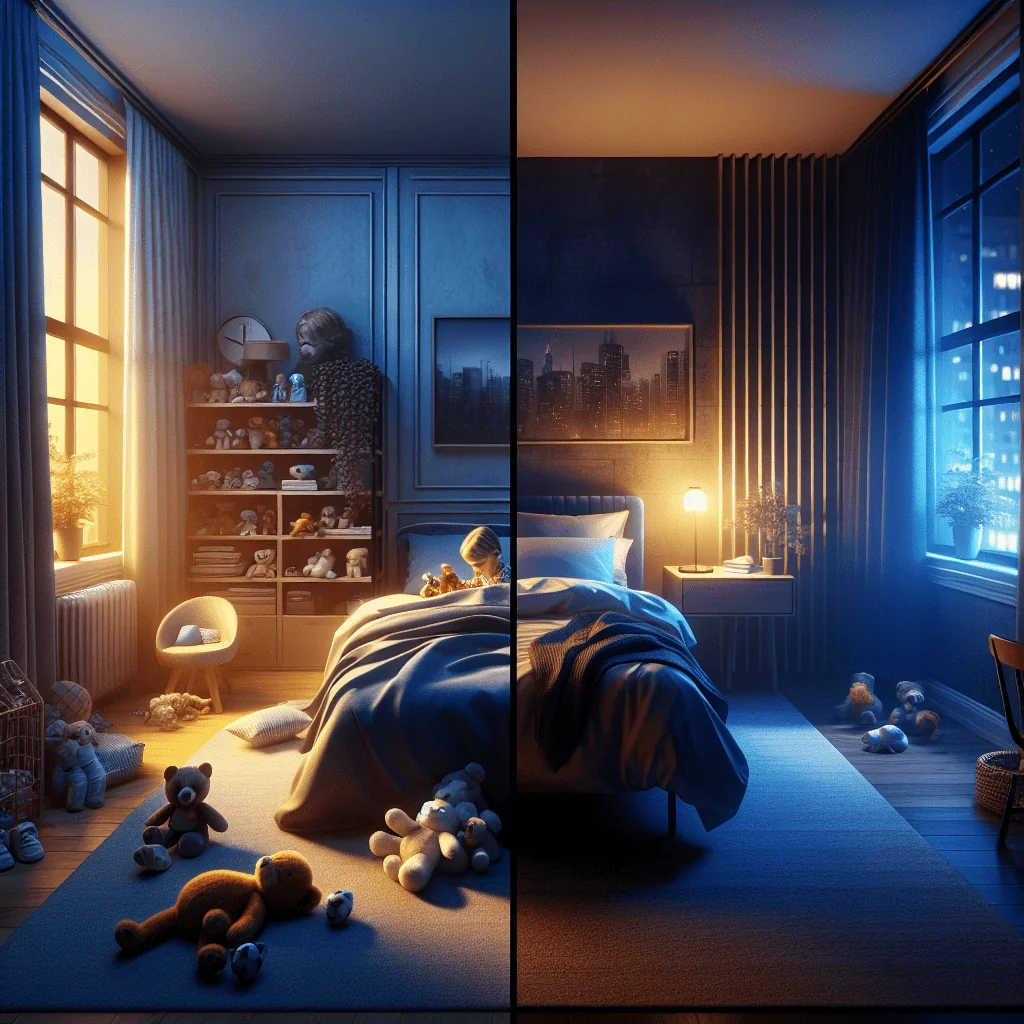
Child vs. Adult Sleep Schedules: What Really Changes and How to Sleep Better
Child vs. Adult Sleep Schedules: What Changes and How to Sleep Better Blueprint Introduction: Why Age Changes Sleep and What This Guide Covers Child vs. adult...
In this article
Blueprint Introduction: Why Age Changes Sleep and What This Guide Covers
Child vs. adult sleep schedules differ in more than just bedtime. Children, teens, and adults have different sleep needs, body clocks, and responses to light, screens, and stress. Understanding these differences helps you decide how many hours of sleep you need, how to fall asleep fast, and how to fix a broken sleep schedule for yourself or your child.
How this sleep blueprint is structured
This guide explains how sleep changes with age, why you might wake up at night, how to improve deep sleep, and which habits actually matter. You will also learn about naps, blue light, melatonin dosage for sleep, magnesium for sleep, stress and recovery habits after workouts, and how to track sleep accurately without becoming obsessed.
Blueprint Body Part 1: How Sleep Needs Change From Childhood to Adulthood
Sleep needs are higher in childhood and drop as the brain and body mature. Adults still need more sleep than many people think, even if they feel used to short nights. The right amount of sleep supports mood, focus, and long‑term health at every age.
Age, body clocks, and how many hours of sleep you need
Age shifts the internal body clock. Many children wake early, teens drift later, and older adults often feel sleepy earlier in the evening. These shifts affect how many hours of sleep you get, how to fall asleep fast, and why you may feel tired after 8 hours sleep if the timing is off for your body.
Here is a simple comparison of sleep needs and typical schedules by age group.
Typical Sleep Needs and Patterns: Child vs. Adult Sleep Schedules
| Age group | Approx. sleep need (per 24h) | Common schedule pattern | Key sleep notes |
|---|---|---|---|
| Preschool children | High (often 10–13 hours) | Early bedtime, early wake; daytime nap common | Very deep sleep; short wake-ups normal |
| School-age children | High (often 9–12 hours) | Bedtime earlier than adults; wake for school | Need regular routine for behavior and learning |
| Teenagers | Still high (often 8–10 hours) | Natural clock shifts later; struggle with early school | Late nights, early alarms cause sleep debt |
| Young to mid adults | Moderate (often 7–9 hours) | Bedtime shaped by work, screens, and social life | Sleep debt affects mood, focus, and health |
| Older adults | Similar need, lighter sleep | Earlier bedtime and wake; more night awakenings | Deep sleep shortens; naps more common |
If you or your child feel tired, irritable, or unfocused, treat that as a sign that the current schedule is not enough, even if it matches what others do. Sleep need is personal, and work or school schedules often clash with biology, which can lead to ongoing sleep deprivation.
Blueprint Body Part 2: Matching Sleep Hours to Age and Daily Life
Children usually need more total sleep and more deep sleep than adults. Deep sleep supports growth, learning, and emotional control in younger ages. Adults still need deep sleep for memory, heart health, and physical recovery after workouts.
How many hours of sleep do I need vs. my child?
A simple rule: if you wake up without an alarm and feel alert most of the day, you likely meet your sleep need. If you rely on caffeine, crash in the afternoon, or feel wired at night, you may be short on rest, even after 8 hours in bed. For parents, watch behavior more than clock time. Meltdowns, trouble focusing, and constant movement can be signs of tiredness in children, not just bad behavior.
Blueprint Body Part 3: Falling Asleep Fast and Building Sleep Hygiene
Many adults ask how to fall asleep fast, while children often drift off once they are calm. The gap comes from lifestyle habits, stress, and screen use more than age alone. Good sleep hygiene helps both adults and children fall asleep faster and stay asleep longer.
Sleep hygiene checklist for children and adults
Good sleep hygiene means shaping daily habits that support strong, regular sleep. Many rules are similar for children and adults, but adults deal with more work, stress, and devices that keep the brain active late at night.
- Keep a regular sleep and wake time, even on weekends.
- Limit blue light from phones, tablets, and TVs 1–2 hours before bed.
- Create a calm, dim, cool bedroom used mainly for sleep.
- Avoid heavy meals, nicotine, and caffeine close to bedtime.
- Build a short, repeatable bedtime routine that signals sleep time.
- Get natural daylight in the morning to anchor the body clock.
- Include daily movement or exercise, but skip intense workouts right before bed.
Start with two or three items, not the whole checklist at once. Small, steady changes often improve sleep more than one large change that you cannot keep up. Over a few weeks these habits can improve deep sleep and help fix a sleep schedule that has drifted late.
Blueprint Body Part 4: Night Waking, Deep Sleep, and Room Conditions
Many adults wake at night and struggle to return to sleep, while children seem to sleep deeply. Children wake too, but they often fall back asleep quickly or do not remember the brief awakenings. The reasons adults wake are often linked to health, stress, and environment.
Why do I wake up at night and how to improve deep sleep?
Adult night waking can come from stress, light sleep, pain, noise, or sleep apnea symptoms such as loud snoring, gasping, or choking. Hormone changes, alcohol, and late meals can also break sleep. To improve deep sleep, protect the first half of the night by avoiding late caffeine, heavy alcohol, and large meals, and by keeping the room dark, quiet, and at the best room temperature for sleep, which for most people is slightly cool.
Blueprint Body Part 5: Naps, Bedtime Routines, and Fixing Sleep Schedules
Naps and routines shape how sleepy you feel at night. Used well, they support healthy child vs. adult sleep schedules. Used poorly, they keep you awake and make it harder to fix a sleep schedule that is out of sync with your life.
Naps: are they good or bad, and how to fix sleep schedule step by step
Naps are natural for babies and young children and support learning and mood. Short naps can help adults too, but long or late naps may delay bedtime and weaken sleep pressure. If you struggle to sleep at night, try skipping naps for a week or keeping them very short and early. To reset child vs. adult sleep schedules, use a slow, structured approach instead of big shifts.
- Choose a fixed wake time and keep it the same every day.
- Move bedtime earlier or later by 15–30 minutes every few nights.
- Get bright natural light within an hour of waking.
- Avoid naps while you reset, or keep them short and early.
- Use a calm, repeatable bedtime routine to cue sleep.
- Limit caffeine after mid-afternoon and heavy food late at night.
- Stick with the plan for at least one to two weeks before judging.
For children, pair these steps with clear limits around screens and a simple bedtime routine. For adults, be patient; recovering from sleep deprivation takes time, and you may feel groggy at first as your body adjusts to a healthier pattern.
Blueprint Body Part 6: Screens, Melatonin, Magnesium, and Stress
Modern life adds new pressures to sleep: blue light, endless scrolling, and easy access to supplements. Understanding how these factors affect child vs. adult sleep schedules helps you make calmer, smarter choices at night.
Blue light, scrolling, melatonin dosage, magnesium, and stress relief
Blue light from screens signals daytime to the brain and can delay melatonin, the hormone that helps you feel sleepy. Children and teens may be even more sensitive to blue light than adults. Learning how to stop scrolling before bed, dimming screens, and using night modes can reduce the blue light and help you fall asleep faster.
Some people use melatonin for sleep. Children and adults should use the lowest effective melatonin dosage for sleep and treat it as a short‑term helper, not a long‑term fix. Magnesium for sleep may help some people feel calmer, especially if their diet is low in magnesium‑rich foods, but it works best alongside strong sleep hygiene. To reduce stress for better sleep, use simple tools such as slow breathing, light stretching, writing down worries earlier in the evening, or a short gratitude list before bed.
Blueprint Body Part 7: Tired After 8 Hours, Recovery, and Sleep Tracking
Many adults say, “Why am I tired after 8 hours sleep?” The answer often lies in sleep quality, timing, and daytime choices rather than the clock alone. Recovery habits after workouts and how you track sleep also play a role.
Why am I tired after 8 hours, rest days, and how to track sleep accurately
If you feel tired after 8 hours sleep, look beyond total time in bed. Poor sleep quality, frequent awakenings, sleep apnea, stress, heavy late meals, alcohol, or irregular schedules can all leave you unrefreshed. Deep sleep may be short, even if you spend many hours in bed. Rest days also matter; if you train hard, plan at least one or two lighter days each week so the body can use deep sleep for recovery instead of struggling with constant strain.
Many adults use watches or apps to track sleep. These tools estimate sleep stages and deep sleep but are not perfectly accurate, and children’s movements can also confuse trackers. Use sleep tracking to spot patterns, not to chase perfect numbers. Notice trends in bedtime, wake time, naps, and how rested you feel, rather than exact deep sleep minutes. If tracking makes you more anxious and harms sleep, take a break and use a simple sleep diary instead.
Blueprint Conclusion: Key Takeaways for Better Sleep at Any Age
Child vs. adult sleep schedules differ in timing, depth, and sensitivity to light and stress, but the core rules stay the same. A regular schedule, a cool dark room, less blue light at night, and a calm routine help almost everyone sleep better. These habits support how to fall asleep fast, how to improve deep sleep, and how to recover from sleep deprivation, whether you are a parent or not.
Putting the sleep blueprint into daily life
Whether you are helping a child fall asleep or trying to repair your own sleep, think in weeks, not days. Combine a steady wake time, a realistic bedtime, limits on screens, and simple stress tools. Over time, this blueprint can improve how many hours of sleep you get, reduce why you wake up at night, and make both child and adult sleep schedules more stable and refreshing.