
Essential Oils for Deep Sleep: What Works, What Doesn’t, and How to Use Them
Essential Oils for Deep Sleep: Evidence, Best Oils, and Safe Use Many people look to essential oils for deep sleep as a gentle way to relax at night. Essential...
In this article
Many people look to essential oils for deep sleep as a gentle way to relax at night. Essential oils will not fix serious sleep disorders, but they can support a calmer mind and better bedtime habits. Used well, they may help you fall asleep faster and feel more rested.
This guide explains how essential oils may influence sleep, which oils are most studied, and how to use them safely. You will also see how oils fit into a bigger sleep hygiene checklist so you are not relying on scent alone.
How Essential Oils May Help You Sleep More Deeply
Essential oils are concentrated plant extracts. Many contain aromatic compounds that send signals from the nose to areas of the brain that handle emotion, stress, and arousal. This is why some scents feel calming while others feel energizing.
For sleep, the main goal is to reduce stress and physical tension before bed. Lower stress can make it easier to fall asleep and stay asleep. A calmer nervous system also supports deeper, more stable sleep stages.
Essential oils work best as part of a night routine that tells your body, “Day is over, rest is coming.” The scent becomes a cue that repeats every night, which can help your brain switch into “sleep mode” faster over time.
Top Essential Oils for Deep Sleep and Relaxation
Several essential oils are used to support sleep, but some have more research and long use in traditional practices. Here are key options people use for deeper, more restful sleep.
- Lavender: The most studied oil for sleep. Often used to reduce anxiety and quiet a racing mind. Many people report easier sleep onset and better sleep quality.
- Roman chamomile: Known for a soft, apple-like scent. Often used for gentle relaxation and to ease emotional tension before bed.
- Bergamot: A citrus oil that is more calming than stimulating. Common in evening blends for people who like a fresh scent but still want to unwind.
- Cedarwood: Has a warm, woody smell. Often used to create a grounding, safe feeling, which can help people who feel restless or unsettled at night.
- Clary sage: Sometimes used to ease stress and muscle tension. Some people find it helpful for mood and relaxation in the evening.
- Ylang-ylang: A sweet, floral oil. Often included in blends for calming the nervous system and slowing breathing.
You do not need many oils to get benefits. One or two favorites used consistently usually work better than a long list you rotate at random.
How to Use Essential Oils for Deep Sleep Safely
Essential oils are powerful concentrates, so safe use matters. A small amount is usually enough for sleep support. More scent does not mean better results and may even disturb rest.
Safe ways to apply essential oils at night
There are several simple methods to bring calming scents into your sleep routine. Choose one that fits your space and comfort level.
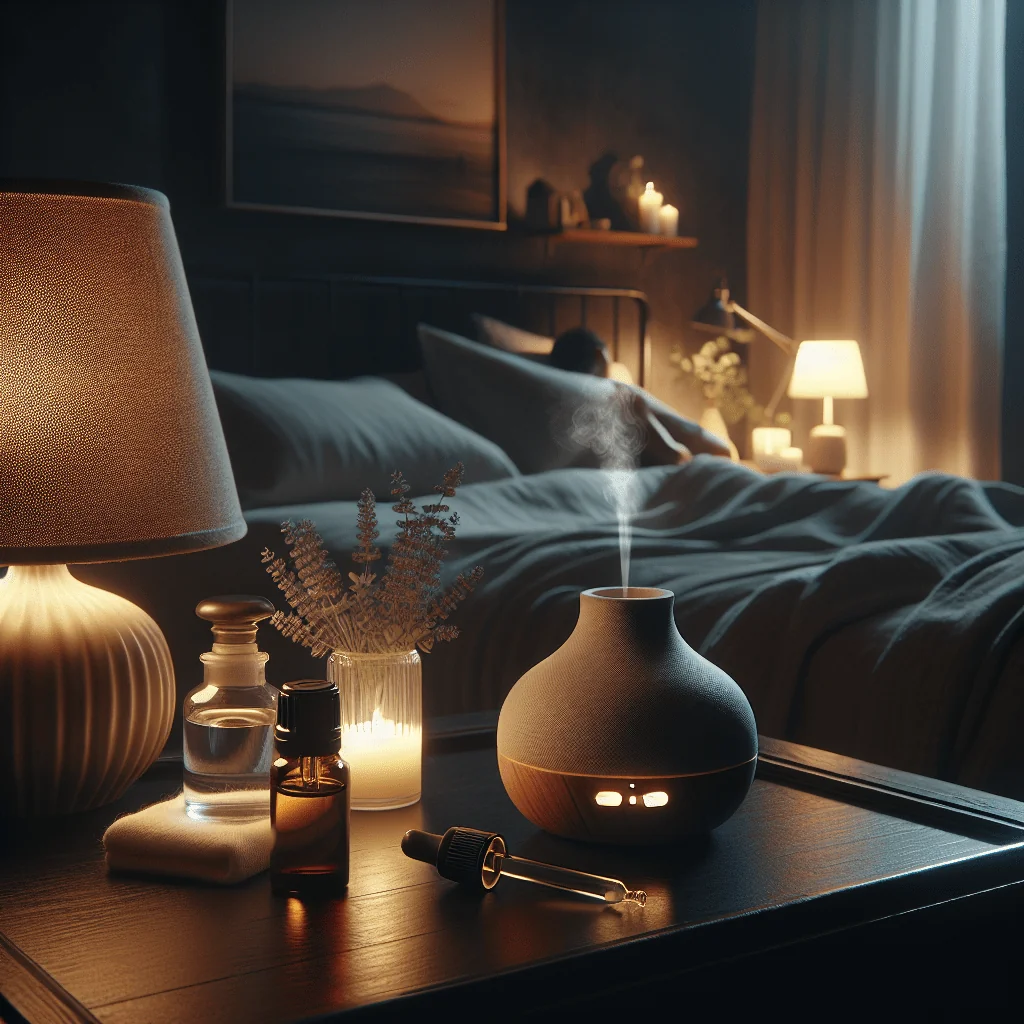
- Diffuser in the bedroom
Use 3–5 drops of essential oil in a water-based diffuser, running 30–60 minutes before bed. Turn it off when you sleep if strong scents give you headaches or stuffiness. - Pillow or tissue scent
Place 1–2 drops on a cotton ball or tissue and tuck it near, not under, your pillow. This keeps the scent close without soaking bedding with oil. - Topical use with carrier oil
Dilute essential oil in a carrier oil, such as jojoba or sweet almond. A common bedtime blend is 1–2 drops of essential oil in a teaspoon of carrier oil, then applied to wrists, chest, or the back of the neck. - Bedtime bath
Add a few drops of essential oil to a tablespoon of carrier oil or unscented bath salts, then mix into warm bath water. A short soak 60–90 minutes before bed can support both relaxation and body temperature changes that help sleep.
Always perform a patch test with diluted oil on a small area of skin first. If you notice redness, itching, or burning, wash off the oil and avoid that product.
Simple Bedtime Blends Using Essential Oils for Deep Sleep
You can use single oils or mix two or three for a custom scent. Keep blends simple at first so you can notice what actually helps.
Here are a few gentle ideas that many people enjoy:
Calm Mind Blend
2 drops lavender + 1 drop bergamot in a diffuser or carrier oil for topical use.
Grounded Sleep Blend
2 drops cedarwood + 1 drop lavender in a diffuser 30 minutes before bed.
Soft Floral Blend
1 drop ylang-ylang + 2 drops Roman chamomile in a diffuser or bedtime bath mix.
Use the same blend most nights for at least one to two weeks. This helps your brain link that specific scent to sleep, which can make the effect stronger over time.
How Essential Oils Fit Into a Sleep Hygiene Checklist
Essential oils can support deep sleep, but they work best alongside solid sleep habits. If you rely on scent while ignoring basic sleep hygiene, results will likely be weak and short-lived.
Here is a simple sleep hygiene checklist that pairs well with essential oils:
- Keep a regular sleep and wake time, even on weekends.
- Limit caffeine in the afternoon and evening.
- Avoid heavy meals and alcohol close to bedtime.
- Dim lights and reduce screen time 60 minutes before bed.
- Keep your bedroom cool, dark, and quiet.
- Use your bed only for sleep and sex, not for work or scrolling.
- Add a short wind-down routine, such as reading or gentle stretching.
Think of essential oils as one tool in this checklist. Use the scent during your wind-down routine so your brain connects that smell with calm, dark, and quiet conditions.
Essential Oils and Other Sleep Aids: How They Compare
Many people also use supplements and other tools to improve sleep. Essential oils work differently from things like magnesium or melatonin, and they can often be combined with them under medical guidance.
Here is a simple comparison to show where essential oils fit in a broader sleep plan.
Comparison of common sleep supports
| Approach | Main Effect | How It Helps Deep Sleep | Key Caution |
|---|---|---|---|
| Essential oils | Calm mood, reduce stress cues | Support relaxation and sleep onset; may aid deeper sleep indirectly | Skin irritation, asthma triggers in sensitive people |
| Magnesium (supplement) | Muscle relaxation, nerve support | May ease tension and nighttime cramps that break sleep | High doses can upset digestion; ask a doctor first |
| Melatonin | Shift sleep timing, signal “night” | Helps fix sleep schedule or jet lag, not deep sleep itself | Dose and timing matter; long-term use should be supervised |
| Sleep hygiene habits | Align body clock and environment | Directly supports deep, stable sleep stages | Requires consistency, not a quick fix |
Essential oils are usually a gentle first step, especially for people who do not want pills. For long-term sleep problems, they should sit beside medical advice, not replace it.
Why You Might Still Wake at Night Even With Essential Oils
Even with calming scents, you might still wake during the night. Sleep is affected by many factors, and scent alone cannot override all of them. If you keep asking, “Why do I wake up at night?” it helps to look deeper.
Common reasons include stress, late caffeine, irregular sleep schedules, and uncomfortable room conditions such as noise, light, or temperature. Health issues like sleep apnea, pain, reflux, or restless legs also break deep sleep and cause frequent waking.
If you snore loudly, gasp for air, or feel very tired after 8 hours in bed, talk to a health professional. Essential oils can make the bedroom more pleasant, but they do not treat breathing problems or medical sleep disorders.
Building a Bedtime Routine With Essential Oils
A consistent bedtime routine is one of the best ways to improve deep sleep. Essential oils fit well into this pattern because scent is a strong memory cue. Use the same steps in the same order most nights.
Here is one simple pattern you can adapt:
About 60–90 minutes before bed, dim lights and reduce screen time. Start a diffuser with your chosen blend in the bedroom. Take a warm shower or bath, maybe with a few drops of oil mixed into a carrier. After that, move to a calm activity like reading or gentle stretching while the scent continues in the background.
Over time, your body learns that this combination of scent, light, and quiet signals “sleep soon.” Many people find they fall asleep faster and wake less often once this routine becomes a habit.
Safety Tips and Who Should Be Careful With Essential Oils
Most healthy adults can use essential oils for deep sleep with few problems, but some groups need extra care. Safety matters more than chasing strong effects.
Children, pregnant or breastfeeding people, and people with asthma, allergies, or sensitive skin should speak with a health professional before using essential oils. Some oils are not recommended for these groups, and even gentle oils can cause reactions.
Never apply undiluted essential oils directly to skin, and do not ingest oils unless a qualified professional specifically directs you. If you share a home, remember that pets and other people also breathe the air, so keep scents light and rooms ventilated.
Using Essential Oils Alongside Better Recovery and Rest Habits
Deep sleep is not just about feeling rested; it also supports muscle repair, immune health, and mental recovery. If you work out often, take rest days, or are recovering from sleep deprivation, deep sleep becomes even more important.
Essential oils can support this recovery by helping you unwind after late workouts, reduce stress before bed, and build a clear line between “day effort” and “night rest.” Combine calming scents with good recovery habits like gentle stretching, hydration, and planned rest days.
To track progress, you can use a sleep diary or a sleep tracker device. Note how long you sleep, how often you wake, and how you feel in the morning. Then add essential oils to your routine and see if those patterns improve over a few weeks.
Key Takeaways on Essential Oils for Deep Sleep
Essential oils can support deep sleep by calming the mind, easing tension, and anchoring a steady bedtime routine. Lavender, Roman chamomile, bergamot, cedarwood, clary sage, and ylang-ylang are popular choices with a long history of use for relaxation.
For best results, use essential oils safely in small amounts and pair them with strong sleep hygiene habits. If you keep waking at night, feel tired after 8 hours in bed, or suspect a sleep disorder, seek medical advice. Scent can help you relax, but deep, healthy sleep depends on your whole lifestyle and health picture, not just what you smell at night.