Influence of Stress on Sleep: What Happens and How to Break the Cycle
Influence of Stress on Sleep: Practical Guide to Better Rest The influence of stress on sleep is stronger than many people realize. Stress changes brain...
In this article
The influence of stress on sleep is stronger than many people realize. Stress changes brain chemicals, body temperature, heart rate, and even breathing patterns. All of these changes can make it harder to fall asleep fast, stay asleep, and wake feeling rested, even after 8 hours in bed.
This guide explains how stress disrupts sleep, why you might wake at night or feel tired in the morning, and what you can do about it. You will also find a simple sleep hygiene checklist, ideas to improve deep sleep, and practical ways to reduce stress for better sleep.
How Stress Changes Your Sleep: The Science in Simple Terms
Stress activates the “fight or flight” system. The brain releases stress hormones such as cortisol and adrenaline. These hormones keep you alert and ready for action, which is the opposite of what you need for sleep.
Stress hormones and your sleep stages
Under stress, your heart rate speeds up, muscles stay tense, and thoughts race. This makes it hard to fall asleep fast because your body reads stress as a signal to stay awake and watch for danger. Even if you do fall asleep, stress can reduce deep sleep and REM sleep, which are the most restoring stages.
Long-term stress can also shift your body clock. You may feel “wired but tired” late at night and then struggle to get up in the morning. This disturbed rhythm often shows up as a broken sleep schedule and repeated waking at night.
Stress, Anxiety, and Why You Wake Up at Night
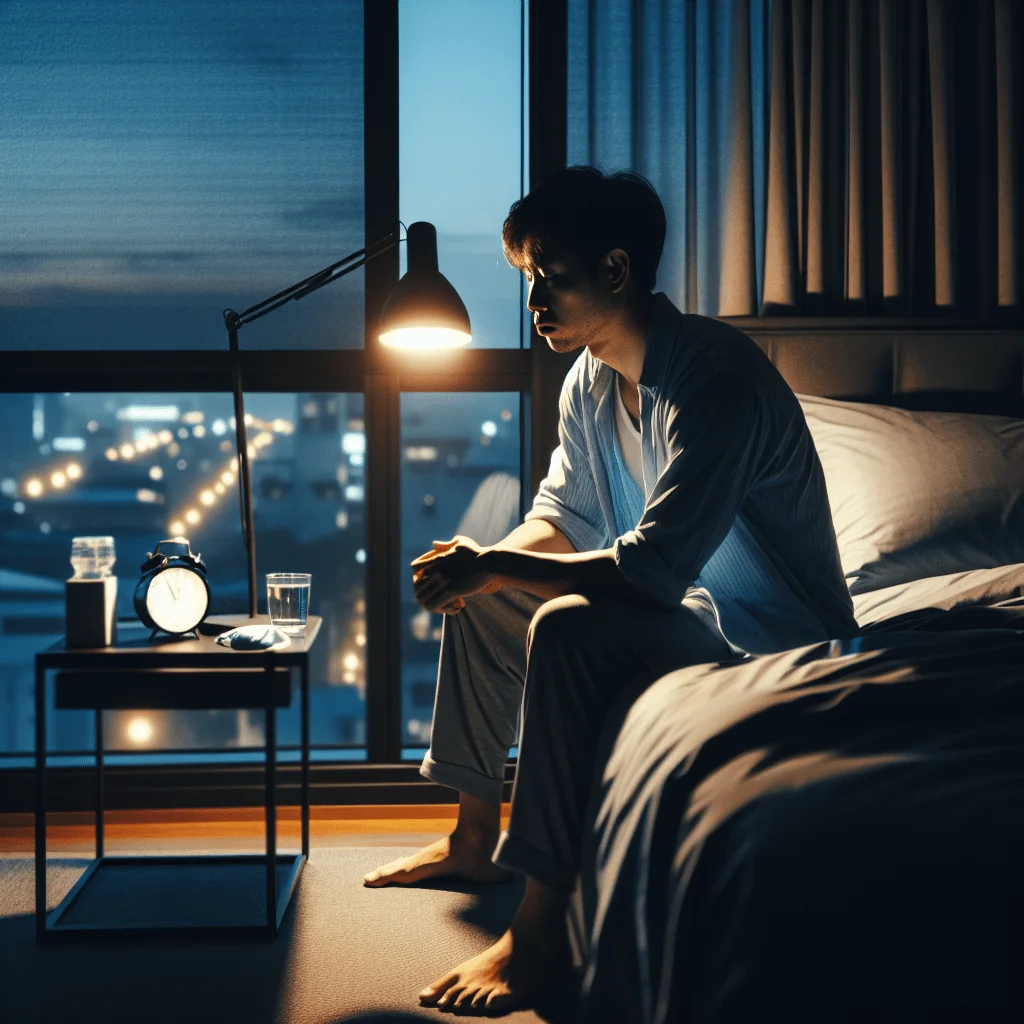
Many people under stress ask, “Why do I wake up at night?” Stress is one of the most common reasons. When stress hormones stay high, the brain stays on alert, even during sleep. Small noises, light changes, or body discomfort can trigger awakenings.
Night awakenings and hidden sleep problems
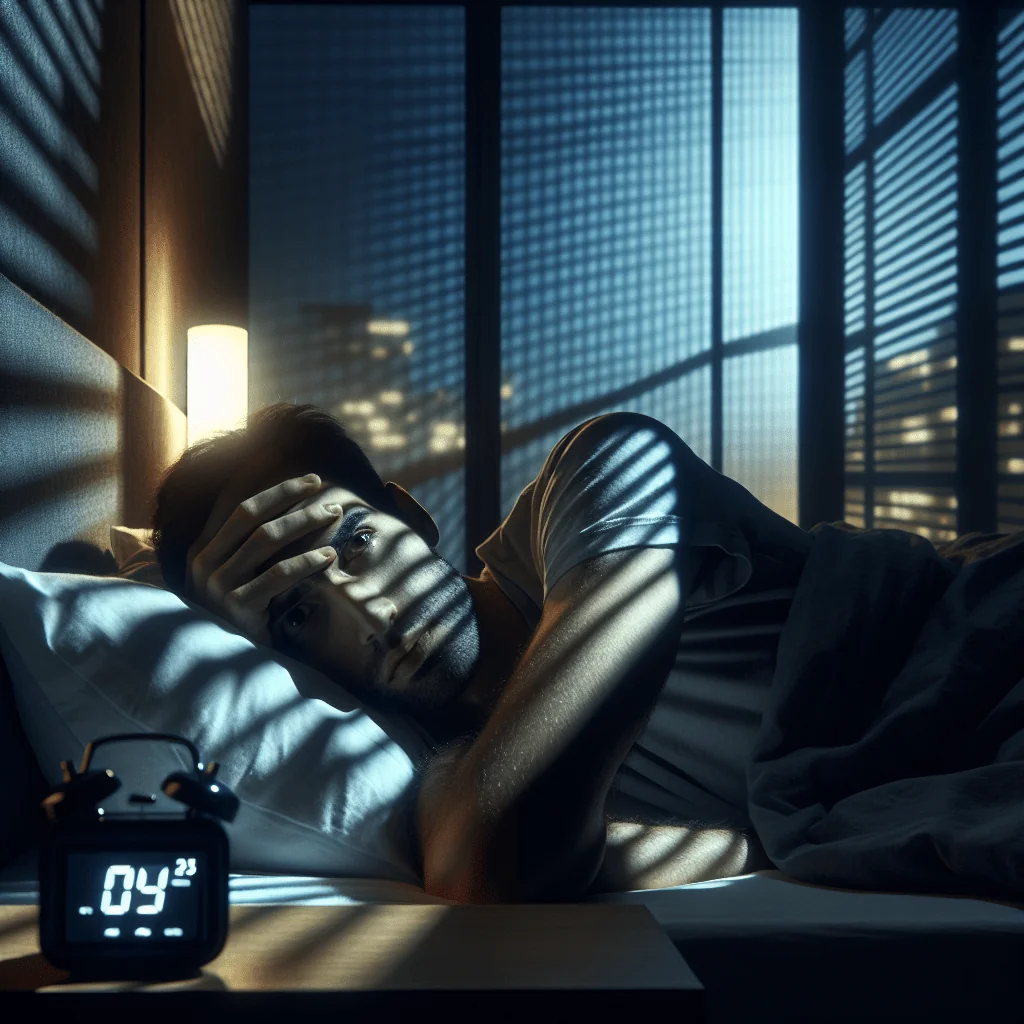
Anxious thoughts can also snap you out of sleep. You might wake at 3 a.m. and start thinking about work, money, or health. Once the mind starts racing, the stress response ramps up again, and falling back asleep becomes harder.
Chronic stress can also worsen conditions like sleep apnea. Sleep apnea symptoms, such as loud snoring, pauses in breathing, and choking at night, can become more frequent or more disturbing when stress levels are high.
How Much Sleep Do You Need Under Stress?
Stress often makes people ask, “How many hours of sleep do I need?” For most healthy adults, a general target is 7–9 hours per night. But stress can change how rested you feel for the same number of hours.
Why you feel tired after a “full” night
During stressful periods, your sleep may be lighter and more broken, so you might need the higher end of that range to feel okay. If you are asking, “Why am I tired after 8 hours sleep?” stress could be part of the answer. The time in bed might be long, but deep sleep and REM sleep may be reduced.
Quality matters as much as quantity. If stress cuts into deep sleep, you can feel unrefreshed, sore, and mentally foggy, even if the clock says you slept enough.
Sleep Hygiene Checklist: Stress-Smart Habits
Good sleep hygiene helps your body relax and reduces the influence of stress on sleep. Use this simple sleep hygiene checklist to spot habits that may be making stress and sleeplessness worse.
- Keep a regular sleep schedule, even on weekends.
- Aim for 7–9 hours in bed, based on how you feel during the day.
- Limit caffeine after early afternoon, especially during stressful times.
- Avoid heavy meals and alcohol close to bedtime.
- Keep your bedroom dark, quiet, and cool, near the best room temperature for sleep.
- Use your bed only for sleep and intimacy, not work or long scrolling.
- Have a wind-down routine for at least 30–60 minutes before bed.
- Get daylight exposure in the morning to help fix your sleep schedule.
- Move your body during the day; avoid intense workouts right before bed.
- Limit naps to short, early afternoon sessions if you take them.
You do not need to be perfect on every point. But the more items you follow, the easier it becomes for your body to relax, even when life feels stressful.
How to Fall Asleep Fast When Your Mind Is Racing
Stress makes many people lie awake thinking, even if they feel exhausted. To fall asleep fast, you need to calm both body and mind. This is easier with a simple routine you repeat every night.
Step-by-step method to calm a busy mind
Use this ordered routine to settle before bed. You can adjust details, but keep the sequence steady so your brain learns the pattern.
- Dim lights and stop work at least one hour before your target bedtime.
- Turn off or put away bright screens to reduce blue light exposure.
- Do a short calming activity, such as stretching or gentle yoga.
- Write down worries and tasks for tomorrow on paper.
- Practice slow breathing, counting four in, six out, for a few minutes.
- Get into bed only when you feel clearly sleepy, not just tired.
Start by dimming lights and lowering screen use about an hour before bed. Blue light and sleep are closely linked; bright screens can delay the release of melatonin, your sleep hormone. If your thoughts keep spinning, the “worry list” step helps your brain let go of problem-solving for the night.
Best Bedtime Routine for Adults Under Stress
A steady bedtime routine signals to your brain that the day is ending. This routine does not need to be long or complex. The main goal is to shift from “doing” to “resting.”
Building a routine that actually sticks
Many adults find this structure helpful: first, finish screens and work; second, do light movement or stretching; third, add a calming activity like reading, journaling, or breathing exercises. A short, repeated sequence can become a powerful cue for sleep.
Try to start your routine at the same time every night. Over time, your body will begin to feel sleepy at that hour, which makes it easier to fix your sleep schedule even when stress is high.
How Stress Affects Deep Sleep and Why It Matters
Deep sleep is the stage where the body repairs tissues, supports the immune system, and strengthens memory. Stress often cuts into deep sleep, leaving you feeling sore, foggy, and emotionally fragile. This is one reason stress can make you more sensitive and less patient during the day.
Simple ways to improve deep sleep
To improve deep sleep, focus on regular bedtimes, less evening caffeine, and a cooler bedroom. Reducing late-night screen time also helps because blue light can delay sleep and shift your sleep stages. Gentle exercise during the day can improve deep sleep, but very intense exercise right before bed may keep your nervous system too active.
If you wake often at night or have sudden gasps, choking, or heavy snoring, consider that sleep apnea symptoms may be involved. Stress can make these episodes feel more alarming, which further disturbs deep sleep and increases daytime fatigue.
Naps and Stress: Are They Good or Bad?
Under stress, many people feel tempted to nap. Naps can be helpful or harmful, depending on timing and length. Short, early afternoon naps can reduce sleep pressure and improve mood. Long or late naps can make it harder to fall asleep at night and can worsen a broken sleep schedule.
Finding your personal nap sweet spot
If you are already struggling to fall asleep fast or stay asleep, try to keep naps under about 20–30 minutes and avoid napping late in the day. Think of naps as a small top-up, not a full replacement for nighttime sleep.
When stress is high, it is better to protect night sleep first. If a nap makes you stay up much later, the influence of stress on sleep can grow stronger and turn into a lasting pattern.
Supplements and Stress Sleep: Magnesium and Melatonin
Many stressed sleepers wonder about magnesium for sleep and whether it works. Magnesium plays a role in muscle relaxation and nerve function. Some people feel calmer with adequate magnesium from food or supplements, which may support sleep. Responses vary, and magnesium alone will not fix poor sleep hygiene or high stress.
Magnesium, melatonin, and realistic expectations
Melatonin dosage for sleep is another common question. Melatonin is a hormone that helps time your sleep cycle. Lower doses, taken at the right time, can help shift a delayed schedule or support sleep during jet lag. Higher doses or random use can cause grogginess or strange dreams and may not improve stress-related insomnia.
Any supplement works best as part of a wider plan: steady routines, reduced blue light, and stress-management habits. If you take medications or have health conditions, talk with a healthcare professional before starting new supplements.
Why You Feel Exhausted After 8 Hours of Sleep
Stress can make you ask, “Why am I tired after 8 hours sleep?” One reason is that stress often fragments sleep. You might have many brief awakenings you do not remember, which break up deep and REM sleep.
Hidden sleep disruptors that keep you tired
Another reason is that stress can increase muscle tension and night-time teeth grinding. You may wake with headaches, jaw pain, or a stiff neck, all of which make sleep feel less restoring. Sleep apnea symptoms can also cause unrefreshing sleep, even if you think you were in bed long enough.
If you feel tired most days, even with enough hours in bed, look at your stress levels, sleep hygiene checklist, and possible medical issues. Small daily changes can slowly improve how rested you feel.
Recovering from Sleep Deprivation and Stress
After a period of poor sleep, you may feel drained, emotional, and unfocused. To recover from sleep deprivation, you need consistent nights of better sleep, not just one long “catch-up” night. The body tends to first restore deep sleep, then balance the rest of the stages.
Short recovery phase after a bad stretch
For a few days, allow slightly earlier bedtimes and avoid very early alarms if possible. Keep caffeine moderate and earlier in the day, so your natural sleep drive can build. Gentle physical activity and daylight exposure help your body clock reset and reduce the influence of stress on sleep recovery.
Be patient with yourself. Mood, focus, and energy often improve gradually over several days of steady, quality sleep.
Stress, Workouts, and Rest Days: Finding the Right Balance
Exercise helps reduce stress and supports better sleep, but too much or poorly timed training can backfire. High stress plus intense workouts every day can keep your nervous system in a constant high-alert state.
Recovery habits and rest days you truly need
Rest days, how many you need, depends on your fitness level, workout type, and stress load. Many people sleep better with at least one or two lighter days each week. On rest days, choose gentle movement such as walking or stretching to keep blood flowing without spiking stress hormones.
Good recovery habits after workouts also support sleep: hydrate, eat enough protein and carbs, and avoid heavy training very late at night. When your body recovers well, sleep tends to deepen, and stress feels easier to handle.
How to Stop Scrolling Before Bed and Reduce Blue Light Impact
Stress and screens often feed each other. Many people use phones to distract from stress, but endless scrolling before bed can keep the brain wired. Bright blue light and emotional content both delay sleep and worsen anxiety.
Breaking the late-night scroll habit
To stop scrolling before bed, set a clear “screen curfew” 30–60 minutes before your target bedtime. Charge your phone outside the bedroom if possible, or at least out of reach. Replace scrolling with a calm habit like reading paper books, stretching, or listening to quiet audio.
This change reduces blue light and mental stimulation at the same time. Over a few nights, you may notice that you fall asleep faster and wake less often, even if your stress level in daily life has not changed yet.
Best Room Temperature for Sleep During Stressful Times
Stress can make you feel hot, restless, or sweaty at night. A cooler bedroom often helps. Many people sleep best in a room that feels cool but not cold, with breathable bedding and sleepwear.
Adjusting your sleep environment
When your body cools slightly, melatonin works better, and deep sleep can increase. A hot room, heavy blankets, or tight clothes can make stress-related insomnia worse by raising body temperature and discomfort.
Experiment with lighter bedding, a fan, or adjusting your thermostat. Small changes in room temperature can make a big difference in how quickly you fall asleep and how often you wake.
Tracking Sleep Accurately Without Adding Stress
Many people use apps or wearables to track sleep. These tools can give helpful trends, such as bedtime consistency or total time in bed. But they are estimates, not perfect measurements, and can sometimes increase stress about sleep.
Using sleep data in a healthy way
To track sleep accurately enough for daily use, focus on patterns, not single nights. Look at average sleep duration, regularity of your schedule, and how you feel during the day. If tracking makes you more anxious, consider a simpler approach, like a short sleep diary.
The goal is to use tracking as feedback, not as a judgment. If you see that stress is shortening your sleep, you can adjust habits, rather than worrying over every number.
Key Sleep and Stress Factors at a Glance
This table sums up how stress interacts with common sleep topics and what to focus on first.
| Sleep Topic | How Stress Affects It | Helpful First Step |
|---|---|---|
| Falling asleep fast | Keeps mind and body on high alert | Use a fixed wind-down routine each night |
| Deep sleep quality | Reduces time in deep stages | Keep a regular schedule and cooler bedroom |
| Waking up at night | Makes you more sensitive to noise and thoughts | Practice calming breathing when you wake |
| Sleep schedule | Pushes bedtimes later and disrupts rhythm | Wake up at the same time every day |
| Naps | Tempts long naps that delay night sleep | Limit naps to short, early afternoon breaks |
| Supplements | Lead to high hopes without habit change | Pair magnesium or melatonin with good hygiene |
| Workout recovery | Slows recovery and raises injury risk | Plan clear rest days and lighter sessions |
| Sleep tracking | Can increase worry about numbers | Watch trends, not single nights |
Use the table as a quick check on where stress might be hitting your sleep the hardest. Start with one or two areas, build small steady habits, and then expand once those feel natural.
How to Reduce Stress for Better Sleep: Putting It All Together
The influence of stress on sleep is strong, but you are not powerless. Small, steady actions can calm your body and mind over time. Aim to combine stress reduction with good sleep hygiene for the best results.
Daily stress habits that support healthy sleep
Many people find daily stress tools helpful, such as brief breathing exercises, short walks, or simple mindfulness practices. Talking with friends, setting boundaries around work, and reducing evening screen time also lower stress levels that carry into the night.
If stress or sleep problems feel overwhelming, or if you suspect sleep apnea or another medical issue, seek professional help. With the right support and habits, you can improve deep sleep, fix your sleep schedule, and feel more rested, even in stressful seasons of life.