Optimal Number of Sleep Cycles: A Practical Guide to Better Rest
Optimal Number of Sleep Cycles: How Many You Really Need The idea of the “optimal number of sleep cycles” sounds very exact. In reality, sleep is personal, but...
In this article
The idea of the “optimal number of sleep cycles” sounds very exact. In reality, sleep is personal, but the sleep cycle model is still useful. Each full cycle includes light sleep, deep sleep, and REM sleep, and repeats several times each night. If you understand how many cycles you need, you can plan how to fall asleep fast, how to fix your sleep schedule, and why you might feel tired even after 8 hours in bed.
This guide explains how sleep cycles work, how many hours of sleep you need at different ages, and how to improve deep sleep. You will also find a simple sleep hygiene checklist, advice on naps, bedtime routines, melatonin dosage for sleep, and how to track sleep accurately without obsessing over numbers.
1. Understanding Sleep Cycles and Core Sleep Needs
This section covers how sleep cycles work, how many hours of sleep you need, and why cycles matter more than a single number of hours. Knowing the basics makes the rest of the advice easier to use.
1.1 How Sleep Cycles Work and Why They Matter
One sleep cycle usually lasts around 90 minutes, moving through light sleep, deep sleep, and REM sleep. You repeat this pattern several times a night. Deep sleep and REM are the stages that help most with recovery, memory, and mood.
Most healthy adults pass through four to six complete cycles in a normal night. Waking up at the end of a cycle usually feels easier than waking in the middle of deep sleep. That is why the “optimal number of sleep cycles” idea focuses on whole cycles, not random hours.
1.2 How Many Hours of Sleep Do You Need by Age?
Different ages need different amounts of sleep, which means a different number of cycles. The ranges below are typical, not strict rules. Your ideal amount may sit at the lower or upper end, and may change with life stress or training load.
Think about how you feel during the day. Alertness, mood, and focus matter more than hitting a perfect number on a chart.
Typical sleep duration and cycles by age
| Age group | Usual sleep range (hours) | Approx. sleep cycles | Key notes |
|---|---|---|---|
| Teenagers | 8–10 hours | 5–6 cycles | Often sleep-deprived due to early school times. |
| Young adults | 7–9 hours | 4–6 cycles | Most do best in this range. |
| Middle-aged adults | 7–9 hours | 4–6 cycles | More light sleep, less deep sleep with age. |
| Older adults | 7–8 hours | 4–5 cycles | More awakenings and earlier wake times are common. |
Use this table as a starting point, then adjust. If you feel refreshed with five cycles and groggy with six, your “optimal number of sleep cycles” may simply be lower than average, and that is fine if your days feel good.
1.3 Turning Cycles Into Bedtime and Wake Time
You can turn cycle math into a simple plan. First, choose your wake time. Then count backward in 90-minute blocks to find a target bedtime. Add 15–30 minutes for how long you usually need to fall asleep.
For example, if you must wake at 7:00 a.m., five cycles (7.5 hours) puts your wake time 7.5 hours after you fall asleep. Aim to be asleep by about 11:15 p.m., which means getting into bed a bit earlier. Test this for a week and adjust by one cycle or half a cycle if you still feel tired.
2. Daily Habits: Sleep Hygiene Checklist and Bedroom Setup
This section gives a clear sleep hygiene checklist and explains how room temperature, light, and screens affect deep sleep and night awakenings. These basics support every other strategy in this guide.
2.1 Sleep Hygiene Checklist to Support Healthy Cycles
Good sleep hygiene makes it easier to fall asleep fast and stay asleep through several full cycles. Use this checklist to spot simple changes you can start this week.
- Keep a regular sleep and wake time, even on weekends.
- Avoid large meals, heavy alcohol, and intense exercise close to bedtime.
- Limit caffeine from late afternoon onward.
- Dim lights 1–2 hours before bed to reduce blue light and sleep disruption.
- Keep your bedroom cool, dark, and quiet.
- Use your bed for sleep and sex only, not for work or scrolling.
- Build a short, repeatable bedtime routine for adults, like reading or stretching.
- Get daylight exposure in the morning to anchor your body clock.
- Limit naps late in the day if they affect your night sleep.
- Avoid clock-watching during the night; turn the display away.
You do not need to be perfect on every point. Even fixing two or three habits can improve deep sleep and help you reach a stable number of sleep cycles most nights, without needing pills or complex gadgets.
2.2 Best Room Temperature for Sleep
A cool bedroom supports deeper sleep. Your body temperature naturally drops as you move through cycles, especially early in the night. If the room is too warm, your body has to work to cool down, which can lead to lighter sleep and more awakenings.
Most people sleep best in a cool, slightly chilled room with breathable bedding. If you wake up sweaty or throw off your covers often, your bedroom may be too warm for ideal cycles. Try adjusting the thermostat, using a fan, or changing to lighter bedding and see how your sleep feels over a week.
2.3 Blue Light and Sleep: Screens, Scrolling, and Melatonin
Blue light from phones, tablets, and laptops can delay melatonin release. That makes it harder to fall asleep and can shift your whole pattern of sleep cycles later. The content you scroll also matters. Stimulating or stressful content keeps your brain alert and may raise stress levels.
To stop scrolling before bed, set a “screens off” time at least 30–60 minutes before you want to sleep. Charge your phone outside the bedroom or use app limits if you must keep it nearby. Replace scrolling with a calm habit from your bedtime routine, like reading a paper book, gentle stretching, or breathing exercises.
3. Falling Asleep Faster and Staying Asleep Longer
This section focuses on how to fall asleep fast, why you wake up at night, and why you may feel tired after 8 hours of sleep. The goal is smoother, more complete cycles.
3.1 How to Fall Asleep Fast
Struggling to fall asleep fast means you lose part of your first cycle. Waking up a lot at night can also break cycles and cut deep sleep. Both problems leave you tired after 8 hours in bed, because the quality of sleep is low.
Try a simple pre-sleep wind-down. Stop intense mental work at least an hour before bed. Use a relaxing activity like light reading, gentle stretching, or a warm shower. If your mind races, keep a notebook by the bed and write down any to-dos for the next day so your brain does not keep repeating them.
3.2 Why You Wake Up at Night
Short awakenings between cycles are normal, and you might not remember them. Longer or frequent awakenings can reduce total deep sleep and REM, even if your total time in bed seems fine.
Common reasons include stress, noise, a full bladder, late caffeine, or a too-warm bedroom. Sometimes a sleep disorder such as sleep apnea causes repeated brief awakenings. If you snore loudly, gasp, or wake with headaches, these may be sleep apnea symptoms worth discussing with a doctor.
3.3 Why You Are Tired After “Enough” Sleep
Feeling tired after 8 hours of sleep can have several causes. You might be getting eight hours in bed but fewer full cycles because you lie awake or wake often. You might also have poor-quality sleep, with little deep sleep or frequent breathing pauses.
Stress, late-night blue light exposure, alcohol, and irregular sleep times can all reduce how restorative your cycles are. In some cases, medical issues such as sleep apnea or low mood also play a role. If you feel unrefreshed most mornings for weeks, consider talking with a doctor about your sleep and daytime tiredness.
4. Deep Sleep, Naps, and Fixing a Broken Sleep Schedule
This section explains how to improve deep sleep, whether naps are good or bad, and how to fix your sleep schedule step by step so your cycles line up with your life.
4.1 How to Improve Deep Sleep
You do not control exactly how much deep sleep you get in each cycle, but your habits shape it. Deep sleep tends to be stronger in the first half of the night. That means very late bedtimes can cut into the deepest, most restorative part of your sleep.
To improve deep sleep, keep alcohol low, keep your room cool, and stay active during the day. Strength work and moderate cardio, with enough rest days, can improve sleep quality over time. A steady schedule also helps your brain “expect” deep sleep at the same time each night.
4.2 Naps: Are They Good or Bad for Sleep Cycles?
Naps can help you recover from sleep deprivation, but they can also delay night sleep. The effect depends on nap length and timing. Short naps keep you in lighter stages of sleep, which are easier to wake from and less likely to disrupt your next night.
If you nap, keep naps under about 30 minutes and avoid napping late in the afternoon. Long naps that include deep sleep can reset your sleep pressure, making it harder to fall asleep fast at night and pushing your cycles later. Use naps as a tool, not a daily habit, if your night sleep is already fragile.
4.3 How to Fix Your Sleep Schedule: Step-by-Step
To fix your sleep schedule, focus on your wake time first. Set a consistent wake time every day, even after a short night. This anchors your internal clock. Then move your bedtime earlier or later in small steps, about 15–30 minutes at a time.
- Pick a realistic wake time you can keep every day.
- Set an alarm and get out of bed within a few minutes of it.
- Get bright light within an hour of waking, ideally natural daylight.
- Move your bedtime by 15–30 minutes every few days toward your target.
- Avoid long or late naps while your schedule is shifting.
- Keep meals and exercise at roughly the same times each day.
- Stick with the plan for at least two weeks before judging results.
This gradual method helps your body clock shift without a shock. Morning light, regular meals, and steady activity help your body adjust, and over time your sleep cycles will line up more closely with your chosen schedule.
5. Supplements, Stress, and Sleep Disorders
This section covers magnesium for sleep, melatonin dosage for sleep, how to reduce stress for better sleep, and when symptoms suggest a deeper problem such as sleep apnea.
5.1 Magnesium and Melatonin: Do They Work?
Many people wonder whether magnesium for sleep works or how much melatonin to take. These tools can help some people, but they work best on top of strong sleep hygiene, not as a replacement for basic habits.
Magnesium is involved in muscle and nerve function. Some people feel more relaxed with magnesium supplements or magnesium-rich foods in the evening. Melatonin is a hormone that helps set your body clock. Low doses, taken at the right time, may help shift your sleep schedule, but higher doses do not always mean better sleep and can sometimes leave you groggy.
Because needs differ, ask a health professional before starting supplements or deciding on melatonin dosage for sleep, especially if you take other medication or have health conditions. Do not rely on supplements alone if your lifestyle habits still fight against healthy sleep.
5.2 How to Reduce Stress for Better Sleep
Stress and worry are major reasons people lie awake or wake up at night. High stress keeps your nervous system on alert, which makes it harder to fall asleep fast and stay asleep through full cycles.
Simple daily practices can help. Try short breathing exercises, a brief walk, or light stretching in the evening. Write down worries and next-day tasks earlier in the night, not in bed. If stress feels constant or overwhelming, consider talking with a counselor or health professional, since better stress care often leads to better sleep.
5.3 Sleep Apnea Symptoms to Watch For
Sleep apnea is a disorder where breathing stops and starts during sleep. These brief pauses can happen many times per hour, breaking up your cycles. You may not remember waking, but your body does, and deep sleep often suffers.
Signs include loud snoring, gasping or choking sounds during sleep, morning headaches, dry mouth, and feeling very sleepy during the day even after what seems like enough hours in bed. If these sleep apnea symptoms sound familiar, speak with a doctor. Proper treatment can greatly improve sleep quality, energy, and long-term health.
6. Sleep, Exercise Recovery, and Tracking Your Progress
This final section links sleep cycles with workout recovery, rest days, recovery from sleep deprivation, and how to track sleep accurately without obsession.
6.1 Recovery Habits After Workouts and Rest Days
Sleep is one of the most important recovery habits after workouts. Growth, repair, and many hormone processes happen during deep sleep and REM. If you cut sleep short, you cut recovery short, even if you maintain the same number of training sessions.
Plan enough rest days each week based on your training load and how you feel. There is no single rule for how many rest days you need, but at least one full rest day per week helps many active people. If you feel sore, moody, or your sleep worsens, you may need more recovery and more complete sleep cycles.
6.2 How to Recover From Sleep Deprivation
After a short night, you may feel tempted to sleep far longer the next day. One or two longer nights can help, but huge swings in schedule can confuse your body clock. A better plan is a modest earlier bedtime for a few nights, plus a short nap if needed.
Use brief naps and slightly longer nights for several days instead of one giant “catch-up” sleep. Keep your wake time steady so your cycles can settle again. Pay extra attention to stress, caffeine, and screens while you recover from sleep deprivation.
6.3 How to Track Sleep Accurately Without Obsession
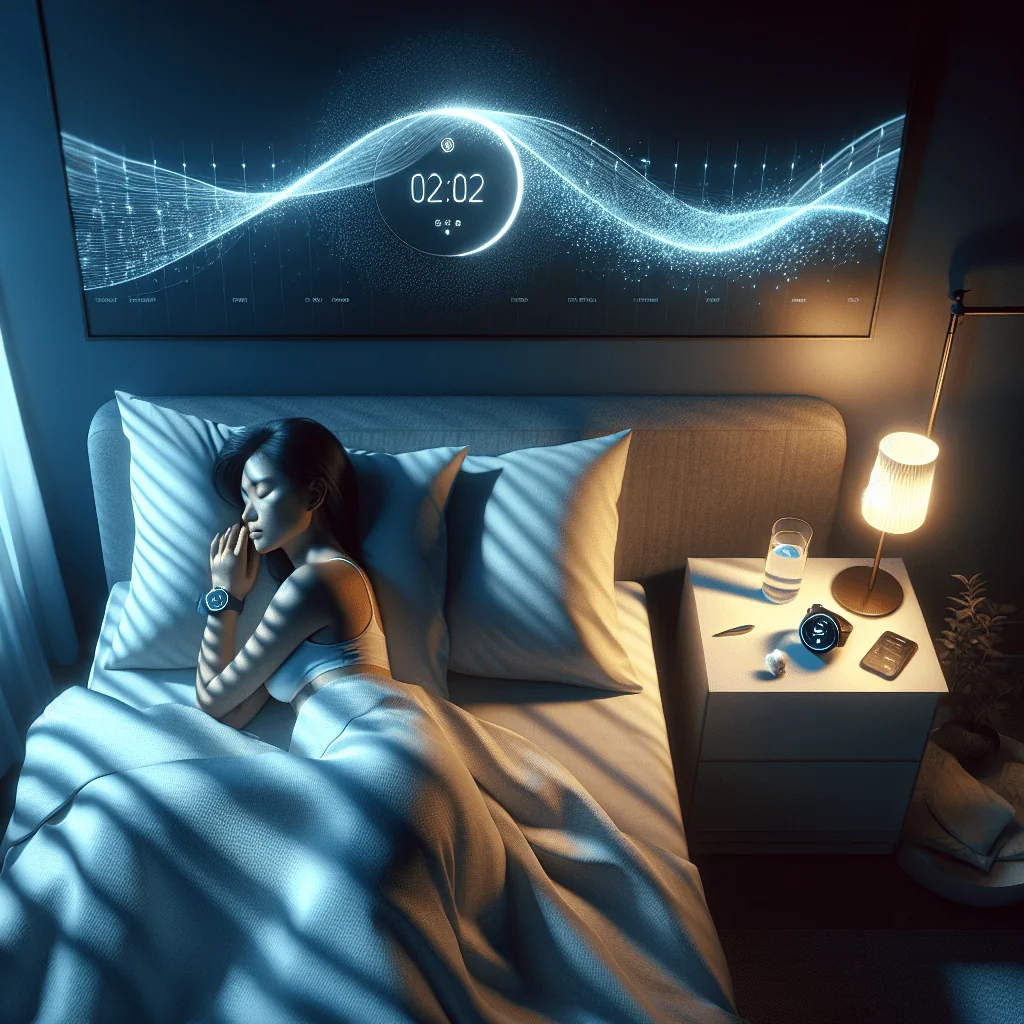
Sleep trackers can estimate total sleep time and rough cycles. They can highlight patterns like very late bedtimes or frequent awakenings. However, consumer devices are not perfect. They can mislabel deep sleep and REM, and they may exaggerate small differences that do not matter.
Use tracking as a guide, not a verdict. Look for trends over weeks, not single nights. Combine data with how you feel: energy, focus, mood, and workout recovery. If the device says you slept poorly but you feel fine, trust your body more than the numbers and adjust only if a pattern of problems appears.
7. Finding Your Personal Optimal Number of Sleep Cycles
There is no single optimal number of sleep cycles that fits everyone. Most adults thrive with four to six full cycles a night, which usually means around 7–9 hours of sleep. Instead of chasing a perfect number, aim for consistent bed and wake times, healthy sleep hygiene, and a calm bedtime routine.
Watch how you feel over several weeks. If you wake refreshed, stay alert during the day, and recover well from daily stress and workouts, you are likely getting the right number of cycles for you. Use the ideas in this guide as tools to adjust, test, and refine your own best pattern of sleep.