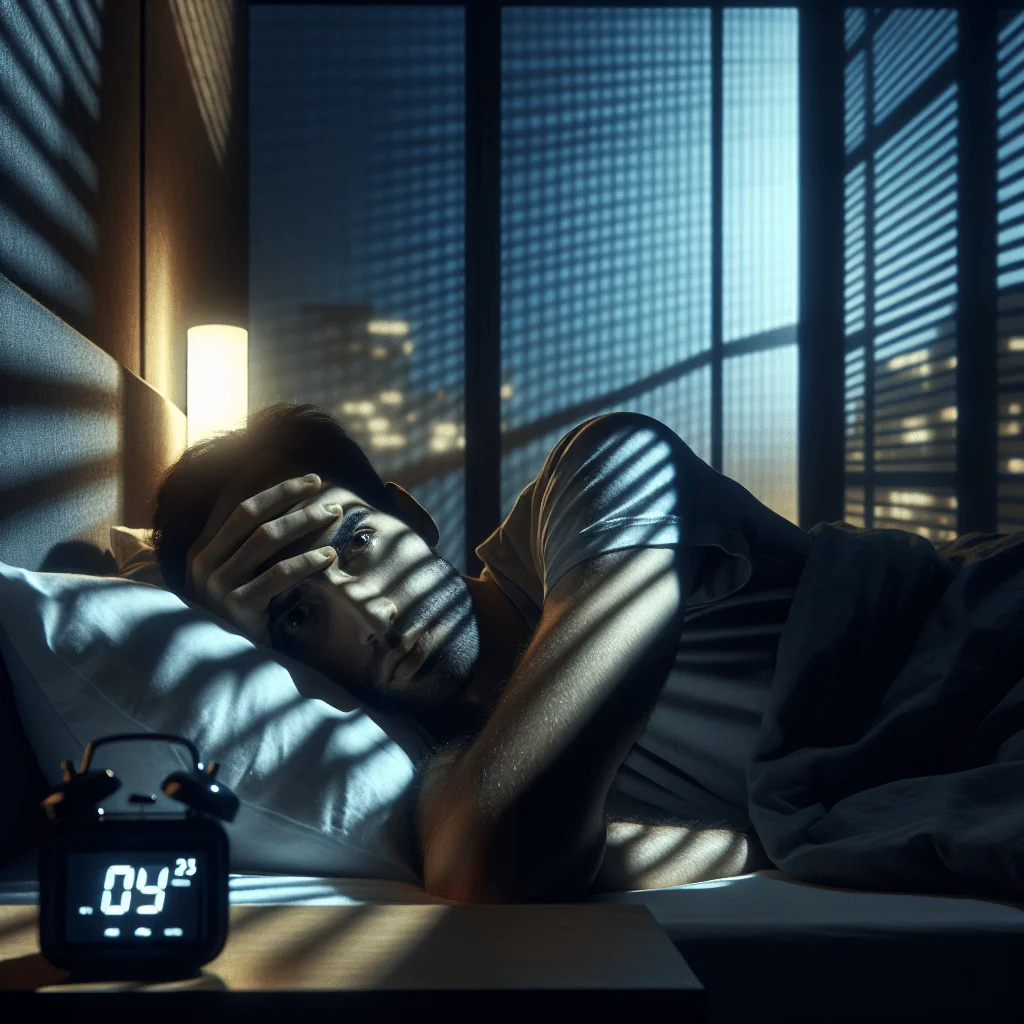
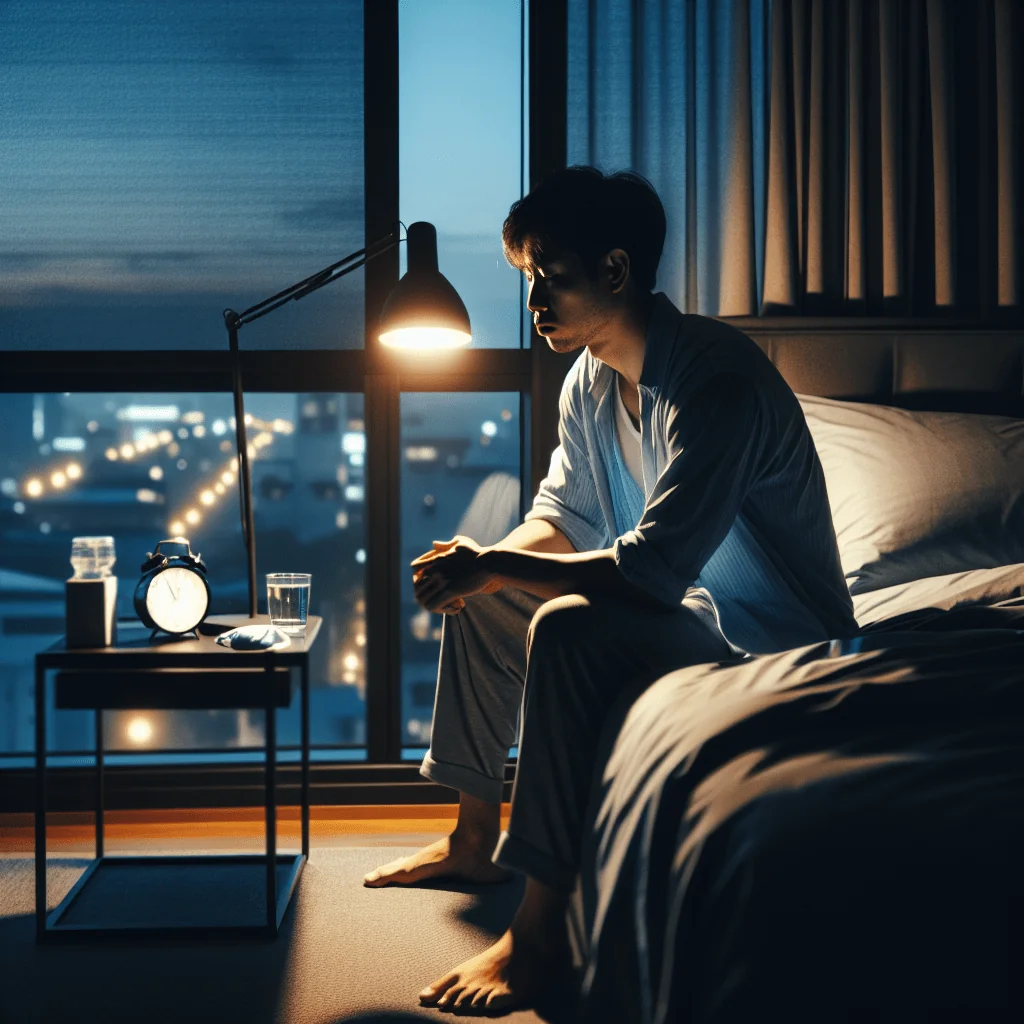
Overcoming Night Shift Sleep Issues: Practical Guide for Better Rest
Overcoming Night Shift Sleep Issues: Practical Guide for Better Rest Overcoming night shift sleep issues is hard because your body still runs on a day-based...
In this article
Overcoming night shift sleep issues is hard because your body still runs on a day-based clock. You work when your brain expects sleep and try to sleep when the sun is up. This guide explains how to fall asleep fast after shifts, how to fix your sleep schedule, and how to improve deep sleep so you feel more human on nights.
How Night Shifts Disrupt Your Sleep and Energy
Night work fights your circadian rhythm, the internal clock that prefers sleep at night and light in the day. This clash can leave you tired even after 8 hours of sleep, or wide awake when you should be sleeping. Many night workers also wake up often, have shallow sleep, and feel jet-lagged on days off.
Over time, poor sleep can affect mood, focus, appetite, and workout recovery. The goal is not perfect sleep, which is rare on nights, but consistent, good-enough sleep that protects your health. Small changes in routine, light, and habits can make a big difference.
Common Signs Your Sleep Is Out of Sync
Warning signs include trouble falling asleep fast, waking many times, and feeling unrefreshed after what should be enough hours. Some people also notice more sugar cravings, irritability, or slower reaction times at work. Treat these as signals to adjust your schedule and habits, not as personal weakness.
How Many Hours of Sleep Do Night Shift Workers Need?
Most adults need about 7–9 hours of sleep in each 24-hour period. Night shift workers are no different, but the timing is flipped. Many people on nights sleep in two blocks, such as a main sleep after work and a nap before the next shift.
If you feel tired after 8 hours of sleep, the problem may be quality, not just quantity. Fragmented sleep, light leaks, noise, and irregular schedules can reduce deep sleep and REM sleep. Focus on protecting your main sleep block first, then use naps to top up.
Why You May Feel Tired After “Enough” Sleep
Feeling tired after 8 hours of sleep often comes from broken sleep or poor timing. Sleeping at odd hours can clash with your natural rhythm, so your body does not reach deep, stable sleep. Reducing awakenings and keeping a more regular pattern usually helps more than chasing extra hours.
Sleep Hygiene Checklist for Night Shift Workers
Good sleep hygiene means setting up habits and a bedroom that support deep, stable sleep. Use this checklist to see what you can improve for overcoming night shift sleep issues.
- Darken your room with blackout curtains or an eye mask.
- Use earplugs or white noise to block daytime sounds.
- Keep your room cool; aim for a comfortable, slightly cool temperature.
- Use your bed only for sleep and sex, not for scrolling or TV.
- Set a regular sleep and wake time after shifts when possible.
- Avoid caffeine in the last 4–6 hours of your shift.
- Finish heavy meals at least 2–3 hours before sleep.
- Limit alcohol before bed, as it fragments sleep.
- Have a simple, repeatable wind-down routine before sleep.
- Get bright light during your shift and dim light on the way home.
You do not need to do every item perfectly. Focus on the two or three changes that are easiest to start, such as darkening your room and cutting late caffeine. Even small upgrades can improve how fast you fall asleep and how rested you feel.
Best Bedtime Routine for Adults on Night Shift
The best bedtime routine for adults working nights is short, predictable, and calm. Pick two or three steps you can repeat daily, such as a warm shower, stretching, and a few minutes of quiet reading. Over time your brain will learn that this routine means sleep is coming, even though it happens during the day.
How to Fall Asleep Fast After a Night Shift
Trying to sleep during the day can feel like fighting your own brain. You may feel wired from work, caffeine, or bright lights. A short, predictable pre-sleep routine helps tell your body that “night” has started, even if the sun is up.
Here is a simple step-by-step approach you can adapt to your life and commute.
- On the way home, wear dark or blue-light-blocking glasses and avoid bright screens.
- Keep your last caffeine at least 4–6 hours before the end of your shift.
- Eat a light, balanced meal or snack after work; avoid heavy, greasy food.
- Take a short, warm shower to relax muscles and signal wind-down.
- Dim the lights at home as much as you safely can.
- Do 5–10 minutes of calm activity: stretching, breathing, or light reading.
- Put your phone away or in another room to stop scrolling before bed.
- Use blackout curtains or an eye mask and cool the room.
- Lie down and focus on slow breathing, such as a 4-second inhale and 6-second exhale.
- If you cannot sleep after 20–30 minutes, get up, sit in dim light, and read something calm until sleepy.
This routine trains your body over time. The key is repeating the same steps most days, so your brain links them with sleep. If you share a home, explain your routine so others can help protect your sleep time.
How to Stop Scrolling Before Bed
Scrolling before bed keeps your brain alert and exposes you to blue light. Set a “phone curfew” 30–60 minutes before your target sleep time and charge your phone away from your bed. Replace scrolling with a low-stimulation habit like paper reading or gentle stretching so you still have a way to relax.
Blue Light, Screens, and Their Impact on Sleep
Blue light from phones, tablets, and bright LEDs tells your brain that it is daytime. For night shift workers, this can be helpful at work but harmful before sleep. Late screen use can delay melatonin release and make it harder to fall asleep fast.
To reduce the impact, lower screen brightness, use night mode, and avoid intense content right before bed. Better yet, set a “screen cut-off” time 30–60 minutes before you plan to sleep. Charge your phone out of reach or in another room to reduce the urge to scroll.
Blue Light at Work Versus Before Sleep
Blue light during your shift can help you stay alert and focused. The problem starts when that same bright light follows you home and into bed. Think of light as a tool: use more light at work and much less in the hour before trying to sleep.
Best Room Temperature and Environment for Deep Daytime Sleep
Temperature has a strong effect on sleep. Most people sleep best in a slightly cool room. For many, a range around 18–20°C (64–68°F) feels comfortable, but you should adjust to your own body and climate.
Night shift workers also have to fight daytime noise and light. Use blackout curtains, blinds, or an eye mask to block sunlight. Earplugs, a fan, or white noise can cover traffic, neighbors, or family sounds. A dark, quiet, cool room helps your body reach deeper sleep stages more easily.
How to Improve Deep Sleep Quality
To improve deep sleep, keep your room cool, dark, and quiet and avoid heavy meals or alcohol right before bed. Try to keep your main sleep block at a similar time each day, even on days off, so your body learns the pattern. Regular exercise and stress management also support deeper, more restorative sleep.
Why You Wake Up at Night (or During Daytime Sleep)
If you ask “why do I wake up at night?” or during day-sleep, common triggers include noise, light, drinking large amounts of fluid before bed, alcohol, and untreated conditions like sleep apnea. Night workers are especially exposed to doorbells, deliveries, and family noise that break sleep.
Limiting fluids in the last hour before sleep, using the bathroom right before bed, and improving your sleep environment can reduce awakenings. If you still wake often gasping, snoring, or with a racing heart, talk with a health professional about possible medical causes.
When Frequent Awakenings Need Medical Attention
Frequent awakenings with choking, loud snoring, or morning headaches can suggest sleep apnea or other disorders. Sudden awakenings with a pounding heart or chest pain should also be checked. Do not assume every sleep issue is caused only by shift work, especially if symptoms are severe.
Sleep Apnea Symptoms Night Shift Workers Should Watch For
Sleep apnea is a condition where breathing stops and starts during sleep. It can leave you tired after 8 hours of sleep and make shift work even harder. Night workers may blame fatigue on their schedule and miss warning signs.
Common sleep apnea symptoms include loud snoring, gasping or choking in sleep, waking with a dry mouth or headache, and extreme daytime sleepiness. If a partner notices pauses in breathing or you feel very sleepy while driving home from nights, speak with a healthcare professional. Diagnosis and treatment can greatly improve sleep quality and safety.
Why Sleep Apnea Matters for Night Shift Safety
Untreated sleep apnea adds extra sleep loss on top of the strain of night work. This combination can raise the risk of errors, accidents, and health problems. Getting proper testing and treatment is a strong step for your long-term safety and energy.
Naps on Night Shift: Are They Good or Bad?
Naps can be powerful for overcoming night shift sleep issues, but timing matters. Short naps during breaks can boost alertness and safety. Long naps at the wrong time can make you groggy or harm your main sleep.
Many workers like a 15–25 minute “power nap” during the shift to reduce fatigue. Some also take a short nap before the first night in a block of shifts. Try to avoid long naps close to your main daytime sleep, as they can reduce sleep pressure and make it harder to fall asleep fast.
Choosing the Right Nap Length and Timing
Short naps under about 30 minutes tend to refresh you without heavy grogginess. Longer naps that cross into deep sleep can leave you confused when you wake, especially if they happen close to your main sleep. Treat naps as a top-up, not a full replacement for your main sleep block.
How to Fix Your Sleep Schedule Between Shifts and Days Off
Switching between nights and days is one of the hardest parts of shift work. There is no perfect plan that suits everyone, but you can use simple patterns. One approach is to keep a slightly late schedule on days off, so your body does not fully flip back to mornings.
Some workers use a “compromise” schedule: after the last night shift, they take a short sleep, then go to bed early that night to reset. Before the first night shift, they take an afternoon nap to build a bridge. Light exposure also helps; seek bright light when you want to feel awake and keep light low when you plan to sleep.
Sample Night Shift Sleep Patterns
You might choose a pattern where you sleep 5–6 hours right after work and add a 60–90 minute nap before the next shift. On days off, you could shift your sleep slightly earlier but still stay up later than traditional daytime workers. Track how you feel and adjust until you find a rhythm that leaves you reasonably alert.
Melatonin and Magnesium for Sleep: Do They Work?
Many night shift workers try supplements such as melatonin or magnesium for sleep. Melatonin is a hormone that helps signal darkness to your brain. Some people use a low melatonin dosage for sleep before a night shift block or when trying to sleep in bright conditions.
Magnesium for sleep may help some people relax, especially if their diet is low in magnesium. However, supplements are not magic fixes. The timing, dose, and your own health all matter. Speak with a healthcare professional before starting any supplement, especially if you take other medicines or have health conditions.
Comparing Common Sleep Tools for Night Workers
The table below compares several common tools night shift workers use to improve sleep. It can help you see where to start and what to discuss with a professional.
| Tool or Habit | Main Benefit | Best Use for Night Shift Workers | Key Caution |
|---|---|---|---|
| Melatonin | Helps shift sleep timing and supports falling asleep | Short-term use before daytime sleep or shift changes | Discuss dosage with a professional; can cause grogginess |
| Magnesium | May support relaxation and muscle comfort | Regular evening use if diet is low in magnesium | High doses can upset digestion; check for interactions |
| Sleep hygiene habits | Improve sleep quality and depth | Daily use: dark room, cool air, calm routine | Requires consistency; results build over time |
| Naps | Boost alertness and reduce fatigue at work | Short naps during breaks or before the first night shift | Long or late naps can delay main sleep |
| Blue light control | Supports natural melatonin release before sleep | Reduce bright light in the hour before daytime sleep | Too little light at work can increase sleepiness |
Use this comparison as a starting point, not a strict rulebook. Most people benefit most from strong sleep hygiene and light control, then add supplements only if needed and approved by a professional.
Recovering From Sleep Deprivation After Night Shifts
After several night shifts, many people build up a sleep debt. You may feel foggy, emotional, or very hungry. To recover from sleep deprivation, aim for one or two longer sleep periods over the next days, but avoid sleeping so long that you fully disrupt your next schedule.
Gentle movement, hydration, and balanced meals help your body reset. Avoid driving if you feel very sleepy. If you can, share rides or use public transport after long stretches of nights. Recovery is part of your job safety, not a luxury.
How to Recover Without Breaking Your Rhythm
Try adding 1–2 extra hours of sleep for a couple of days instead of one huge catch-up sleep. Keep your sleep and wake times within a similar range so your body clock does not swing wildly. Over a week or two, this steady approach can repay sleep debt with less disruption.
Exercise, Recovery Habits, and Rest Days for Better Sleep
Exercise can improve sleep quality and mood, but timing matters for night workers. Intense workouts right before your main sleep can keep you alert. Try to schedule harder sessions after you wake from your main sleep or on days off.
Rest days are also important. How many rest days you need depends on your fitness level, job demands, and age. At least one full rest day per week helps most people. On rest days, focus on light activity, stretching, and consistent sleep. These recovery habits support both your body and your ability to handle night shifts.
Balancing Workouts and Rest for Sleep
Aim for regular, moderate exercise rather than rare, extreme workouts that leave you wired. If your shifts are very intense, treat some days as active recovery with walking or gentle mobility work. Your sleep will usually improve when your training and rest days match your real energy levels.
How to Track Sleep Accurately on Night Shift
Tracking sleep can show patterns you might miss, especially with irregular hours. Wearables and apps can give rough estimates of sleep length and stages, but they are not perfect. Use them as guides, not as strict measures of success.
A simple sleep diary can be just as helpful. Note when you sleep, wake, nap, and how rested you feel. Over a few weeks, you may see which changes help the most with overcoming night shift sleep issues. Use that insight to fine-tune your routine.
What to Focus on in Your Sleep Data
Instead of chasing perfect numbers, look for trends in total sleep time, number of awakenings, and how rested you feel. Notice how changes in naps, caffeine, or workout timing affect those trends. Use that feedback to adjust one habit at a time.
Reducing Stress for Better Sleep on Night Shifts
Stress from work, family, or money can keep your mind racing when you try to sleep. Short, regular stress-reduction habits often work better than long, rare efforts. Even five minutes can help.
Try deep breathing, writing a quick worry list before bed, or a short relaxation audio. Set boundaries where possible, such as silencing non-urgent notifications during your sleep window. Protecting your sleep is part of protecting your long-term health, especially if you plan to work nights for years.
Simple Stress-Reduction Habits You Can Keep
Pick one or two small habits, like a brief breathing exercise after your shift or a short journal note before bed. Keep them so simple that you can do them even on your most tired days. Over time, this steady practice can lower stress and make falling asleep faster and easier.