Tips for Sleep Detoxing: Reset Your Nights and Wake Up Rested
Tips for Sleep Detoxing: A Practical Guide to Reset Your Rest Sleep detoxing is about clearing the noise that blocks deep, natural rest. Instead of quick...
In this article
Sleep detoxing is about clearing the noise that blocks deep, natural rest. Instead of quick tricks, the best tips for sleep detoxing focus on habits, light, timing, and stress. This guide pulls those pieces together so you can fall asleep faster, wake less at night, and feel more refreshed in the morning.
You will learn how to fall asleep fast, how many hours of sleep you really need, why you wake up at night, and how to fix your sleep schedule. The guide also covers naps, supplements like magnesium and melatonin, blue light, room temperature, stress, recovery after workouts, and how to track sleep accurately.
What “Sleep Detoxing” Really Means
Sleep detoxing does not mean forcing your body to flush toxins with extreme methods. Instead, it means stripping away habits and inputs that confuse your brain’s sleep signals. Think of it as clearing digital, mental, and lifestyle clutter so your natural sleep system can work better.
Core idea of a sleep detox
A sleep detox usually focuses on three areas: your daily schedule, your evening routine, and your sleep environment. Small changes in each area can add up. The goal is not perfection, but a cleaner, calmer pattern that your body can predict and trust each night.
Sleep Hygiene Checklist: Your Core Sleep Detox Tools
Good sleep hygiene is the base of any sleep detox. This means simple daily habits that support your body clock and deep sleep. Use this checklist as a quick audit of your current routine and as a guide for change.
- Wake up at the same time every day, even on weekends.
- Get natural light within 1–2 hours of waking.
- Avoid caffeine 6–8 hours before bedtime.
- Keep alcohol low and avoid drinking it close to bedtime.
- Finish heavy meals at least 2–3 hours before bed.
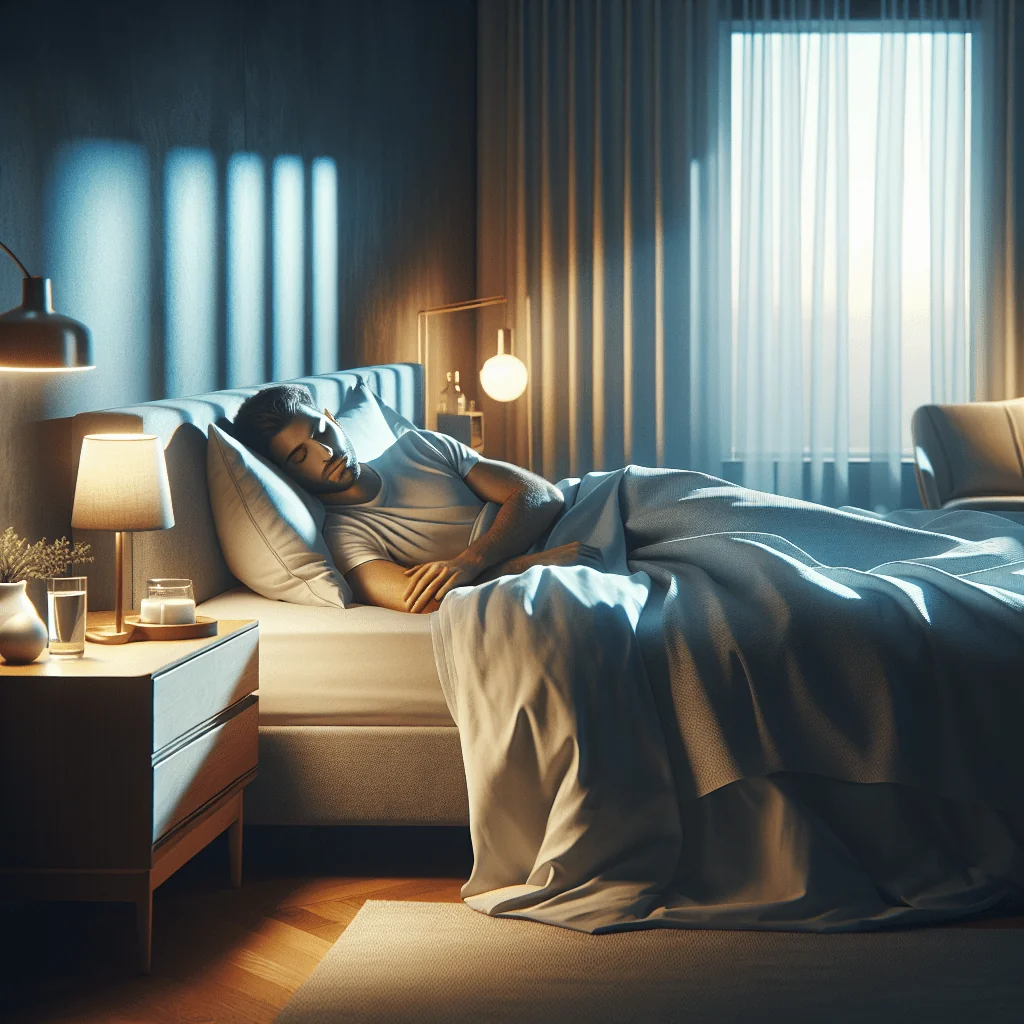
- Keep your bedroom dark, quiet, and cool.
- Reserve your bed for sleep and sex, not work or TV.
- Have a wind-down routine that lasts 20–60 minutes.
- Limit naps or keep them short and early in the day.
- Move your body most days, but avoid hard workouts right before bed.
You do not need to score ten out of ten every day. Use this list to spot your main weak points and work on one or two at a time. Consistency matters more than intensity, and small steady changes can reset your nights.
How Many Hours of Sleep Do You Need?
Most healthy adults need about seven to nine hours of sleep per night. Some feel best closer to seven, others closer to nine. A sleep detox is a good time to test your true range and see what your body prefers.
Finding your personal sleep need
For one to two weeks, pick a fixed wake-up time and go to bed early enough to allow eight to nine hours in bed. Notice how you feel during the day. If you still feel sleepy or foggy most of the time, you may need more sleep or better-quality sleep, not just more hours in bed.
Why You Wake Up at Night During a Sleep Detox
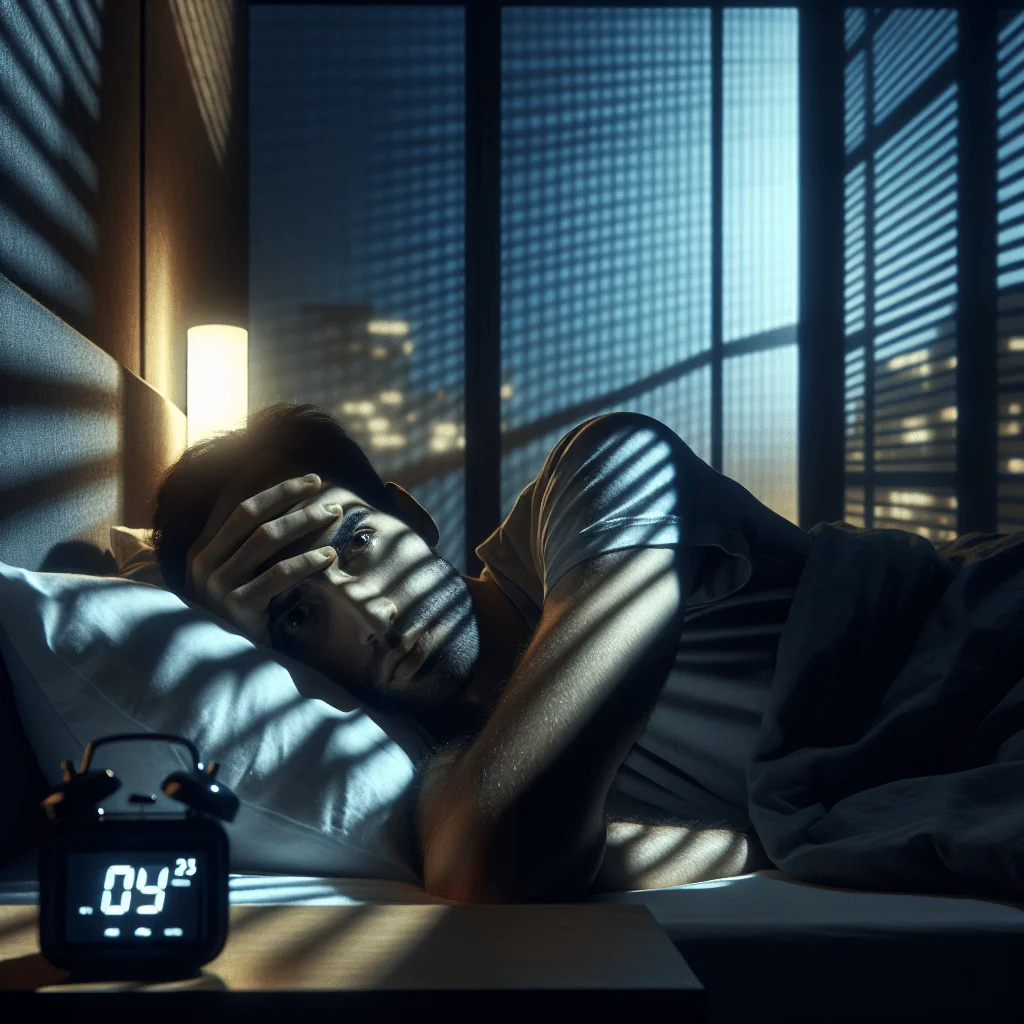
Many people start a sleep detox and notice they wake up more at night. This can feel like a setback, but sometimes your body is just adjusting to new rhythms. Stress, inconsistent bedtimes, late caffeine, alcohol, or a room that is too warm or noisy are common triggers.
What to do when you wake at night
If you wake up at night, avoid checking the clock if you can. Stay in bed, breathe slowly, and focus on a neutral image or word. If you feel wide awake after about 20–30 minutes, get up, go to a dim room, and do something calm like reading a paper book until you feel sleepy again.
How to Fall Asleep Fast Without Gimmicks
Falling asleep fast starts during the day. Your brain needs a clear contrast between “on” and “off.” A sleep detox helps rebuild that contrast so sleep arrives more quickly and feels deeper.
- Set a stable wake time. Get up at the same time daily, even after a poor night.
- Build sleep pressure. Stay awake all day, avoid long or late naps, and move your body.
- Slow down your brain. In the last hour before bed, switch from screens and work to calm, low-stimulation activities.
- Use a simple breathing pattern. Try slow nasal breathing, for example four seconds in, six seconds out, for a few minutes.
- Keep the bedroom dark and cool. Dim lights and a cooler room tell your body it is time to sleep.
These steps help your brain link bedtime with calm and safety, not scrolling, stress, or bright light. Over time, that link makes sleep come faster and reduces the urge to lie awake worrying.
Deep Sleep Detox: How to Improve Deep Sleep Quality
Deep sleep is the stage where your body does much of its repair work. Good deep sleep helps muscle recovery, memory, and mood. A sleep detox aims to protect this part of the night so you wake with real energy.
Habits that support deep sleep
To improve deep sleep, keep your sleep schedule regular and your room dark and cool. Avoid heavy alcohol and very late, heavy meals, which can fragment deep sleep. Gentle evening stretching or a warm shower can also help your body relax into deeper stages and stay there longer.
Fixing a Broken Sleep Schedule
A sleep detox is a strong way to fix a drifted or “social jet lag” sleep schedule. Rather than trying to sleep earlier all at once, move your wake time and bedtime in small, steady steps.
Stepwise reset of your body clock
Shift your wake-up time earlier by 15–30 minutes every few days. Pair that with morning light exposure and a slightly earlier bedtime. Avoid long naps while you reset. Expect a few rough days, but try not to sleep in to make up for them, or your body clock will slip back again.
Naps: Are They Good or Bad During a Sleep Detox?
Naps can help or hurt, depending on timing and length. During a sleep detox, the goal is to build strong pressure for night sleep. That means you may need to limit naps at first so that you feel sleepy at bedtime.
Smart napping rules
If you are very sleepy, a short nap can be useful. Aim for 10–25 minutes, before mid-afternoon, and set an alarm. Long or late naps can steal deep sleep from the night and keep your schedule irregular, so keep them brief and early.
Best Bedtime Routine for Adults Doing a Sleep Detox
The best bedtime routine for adults is simple, repeatable, and calming. You do not need a long ritual. You just need a clear signal to your brain that the day is ending and that rest is safe.
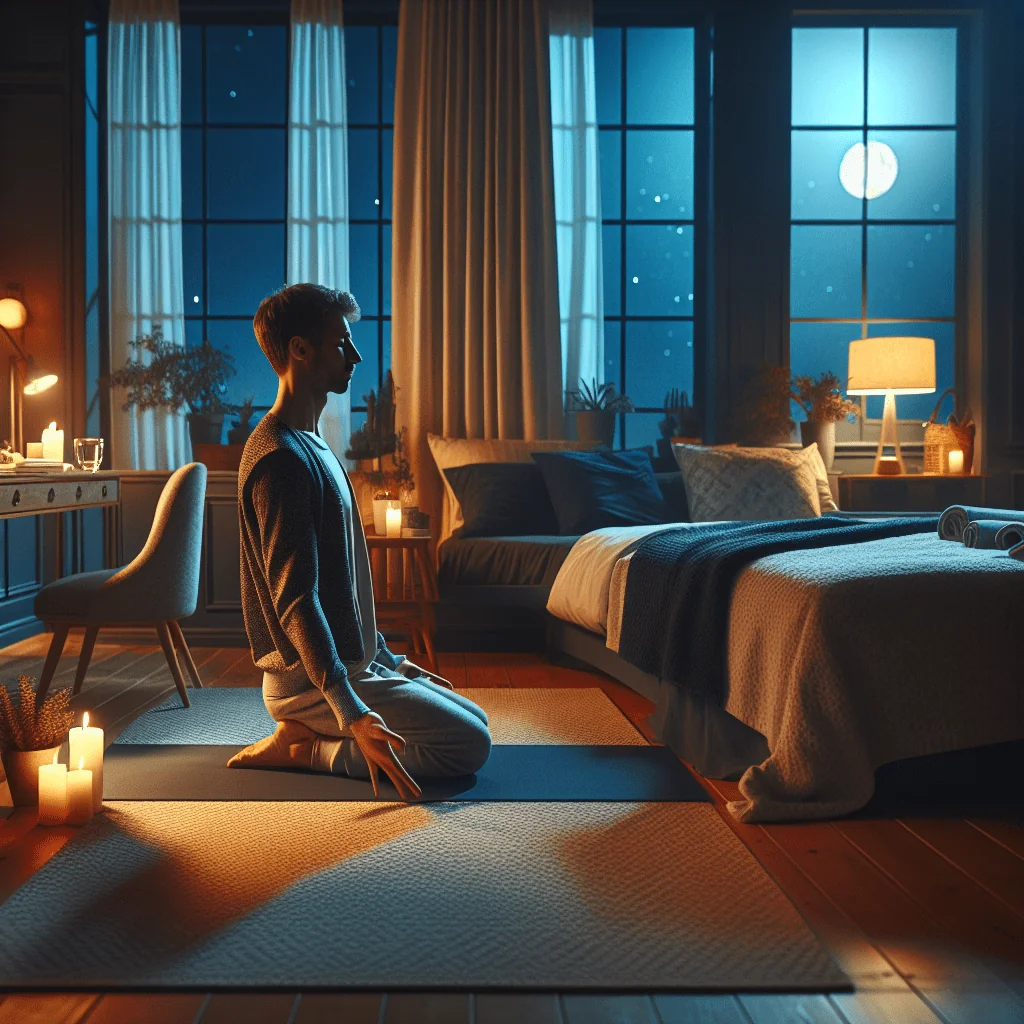
Example of a calm night routine
A basic routine could be: dim lights, turn off bright screens, prepare for tomorrow, do a short relaxation practice, then read or listen to something calm in bed. Keep the order and timing similar each night so your brain starts to expect sleep as soon as you begin the sequence.
Magnesium and Melatonin: Do They Help a Sleep Detox?
Many people ask about magnesium for sleep and whether it works. Magnesium supports muscle and nerve function and may help some people feel calmer. If your diet is low in magnesium, improving intake through food or supplements might help sleep quality.
Melatonin dosage and smart use
Melatonin is a hormone your body makes in the dark. Melatonin dosage for sleep is usually low, and more is not always better. Higher doses can cause grogginess for some people. Melatonin can help shift your sleep schedule or support short-term sleep issues, but habits and light exposure still matter most. Before starting any supplement, check with a health professional, especially if you take other medicines or have health conditions.
Blue Light, Scrolling, and the Best Room Temperature
Blue light from screens tells your brain it is daytime. That makes it harder to feel sleepy and can delay your body’s melatonin release. As part of your sleep detox, try to stop scrolling at least 30–60 minutes before bed.
Setting tech limits and room comfort
If you struggle to stop, set a clear phone curfew. Charge your phone outside the bedroom, use an alarm clock, and replace late scrolling with a low-tech habit like reading or journaling. The best room temperature for sleep is usually on the cooler side; many people sleep best in a slightly cool, well-ventilated room that feels fresh, not cold.
Why You Feel Tired After 8 Hours of Sleep
Feeling tired after eight hours of sleep can be confusing during a sleep detox. Common reasons include poor sleep quality, frequent wake-ups you do not remember, sleep apnea, stress, or inconsistent timing of sleep and wake.
Possible role of sleep apnea
Sleep apnea symptoms often include loud snoring, gasping, choking, or pauses in breathing during sleep, plus morning headaches or heavy daytime sleepiness. If you suspect this, speak with a medical professional. Habit changes help many people, but medical sleep problems need proper diagnosis and treatment.
Recovering From Sleep Deprivation Safely
If you start a sleep detox after a long period of poor sleep, your body may be in sleep debt. You may need several nights of longer sleep to recover. Try adding 30–60 minutes more sleep per night rather than sleeping half the day.
Short-term recovery strategy
You can use one or two short naps earlier in the day if you are extremely sleepy, but keep your main focus on a steady night schedule. As your debt shrinks, you should wake closer to your natural sleep need and feel more alert across the day.
Stress, Workouts, and Rest Days in a Sleep Detox
High stress makes the brain vigilant and alert, which works against deep sleep. To reduce stress for better sleep, build short off-ramps into your day: brief walks, breathing breaks, or writing worries down before bed.
Exercise, recovery, and rest days
Recovery habits after workouts also matter. Hard training too close to bedtime can keep your heart rate and temperature high. Try to finish intense exercise several hours before bed. Rest days, how many you need, and how hard you train will depend on your fitness and goals, but at least one rest or light day per week helps your body and sleep recover.
How to Track Sleep Accurately During a Detox
Tracking can help you see patterns, but it can also cause stress if you fixate on numbers. The most accurate sleep tracking still comes from clinical sleep studies, but many people use wearables or apps at home as a rough guide.
Using sleep data without obsession
Use your tracker as a trend tool, not a judge. Look for changes in total sleep time, regularity, and wake-ups rather than chasing a perfect score. Always compare the data with how you feel during the day. Your energy, mood, and focus are key signs that your sleep detox is working.
Summary of common sleep detox changes and their main effects:
| Sleep Detox Change | Main Goal | Typical Effect on Sleep |
|---|---|---|
| Fixed wake time | Stabilize body clock | More regular sleep and wake times |
| Evening screen limit | Reduce blue light and mental stimulation | Faster sleep onset and fewer late-night alerts |
| Cool, dark bedroom | Support deep sleep and comfort | Fewer awakenings and deeper rest |
| Short, early naps only | Protect night sleep pressure | Less trouble falling asleep at night |
| Stress reduction practices | Calm nervous system | Less racing mind at bedtime |
This table can guide you as you pick which changes to try first and helps you link each habit to a clear goal and likely benefit for your sleep.
Putting Your Sleep Detox Tips Into Action
A successful sleep detox does not need to be extreme. Start with one or two changes: fix your wake time, cut late scrolling, or cool your room. Layer in other habits from the sleep hygiene checklist over a few weeks instead of all at once.
Building a long-term sleep plan
As you adjust your schedule, support your body with enough hours in bed, smart naps, and gentle stress reduction. If you still feel unrefreshed after consistent changes, or if you notice signs of sleep apnea or other health issues, reach out to a healthcare professional. Your sleep is a long-term investment, and small daily choices can make a clear difference in how you feel every day.