
Understanding Sleep Architecture: The Structure Behind Good Sleep
Understanding Sleep Architecture: Stages, Cycles, and Better Rest Understanding sleep architecture helps explain why some nights feel deeply restful while...
In this article
Understanding sleep architecture helps explain why some nights feel deeply restful while others feel broken and light. Sleep architecture is the pattern of sleep stages and cycles your brain moves through each night. Once you understand this pattern, habits like how to fall asleep fast, how to fix your sleep schedule, and how to improve deep sleep start to make more sense.
This guide breaks down how sleep works, why you wake up at night, how many hours of sleep you likely need, and how factors like blue light, naps, melatonin, magnesium, stress, and workout recovery affect your sleep structure.
What Sleep Architecture Actually Means
Sleep architecture is the “blueprint” of your night. It describes how your brain and body move through different sleep stages in repeating cycles. Instead of thinking of sleep as one long block, think of it as several 90–120 minute cycles stacked together.
Each cycle contains lighter non-REM sleep, deeper slow-wave sleep, and REM sleep. The balance of these stages changes across the night. Early cycles usually have more deep sleep, while later cycles have longer REM periods. When this architecture is stable, you wake feeling restored. When it is disrupted, you may feel tired even after 8 hours of sleep.
The Four Main Sleep Stages and What They Do
Modern sleep science usually describes four main stages: three non-REM stages (N1, N2, N3) and REM sleep. Each stage plays a different role in recovery, memory, and mood.
You cycle through these stages many times each night. Good sleep health is less about one single stage and more about getting a healthy mix across several complete cycles.
Stage N1 and N2: Light Sleep and Drifting Off
Stage N1 is the drowsy gateway between wake and sleep. Muscles relax, breathing slows, and thoughts start to float. This stage is very light, so noises or movement can wake you easily.
Stage N2 is still light sleep but more stable. Brain waves slow, body temperature drops, and heart rate eases. You spend a large part of the night in N2. This stage helps with basic physical recovery and sets up deeper stages.
Stage N3: Deep Sleep and Physical Recovery
Stage N3 is deep, slow-wave sleep. This is the “heavy” sleep that is hardest to wake from. Deep sleep is strongly linked to physical repair, immune support, and feeling refreshed in the morning.
If you want to know how to improve deep sleep, focus on the first half of the night. Most N3 happens earlier, so late bedtimes, frequent wake-ups, alcohol, and irregular schedules can reduce your total deep sleep even if your total time in bed looks long.
REM Sleep: Dreaming and Brain Reset
REM (rapid eye movement) sleep is when vivid dreaming often happens. The brain is active, but muscles are mostly switched off. REM supports emotional balance, creativity, and certain types of memory.
REM periods grow longer in later cycles, closer to morning. If you cut your sleep short with a very early alarm, your REM share often drops. That can leave you feeling mentally dull or moody even if you think you “slept enough.”
Sleep Cycles, Total Sleep Time, and How Many Hours You Need
Most adults need enough sleep to complete several full cycles, not just a random number of hours. A typical sleep cycle lasts around 90 minutes, and most adults go through four to six cycles per night.
For many adults, this lines up with about 7–9 hours in bed, but needs vary. Some people feel best slightly below or above that range. Age, genetics, health, and daily load all affect how many hours of sleep you personally need.
Why You Can Feel Tired After 8 Hours of Sleep
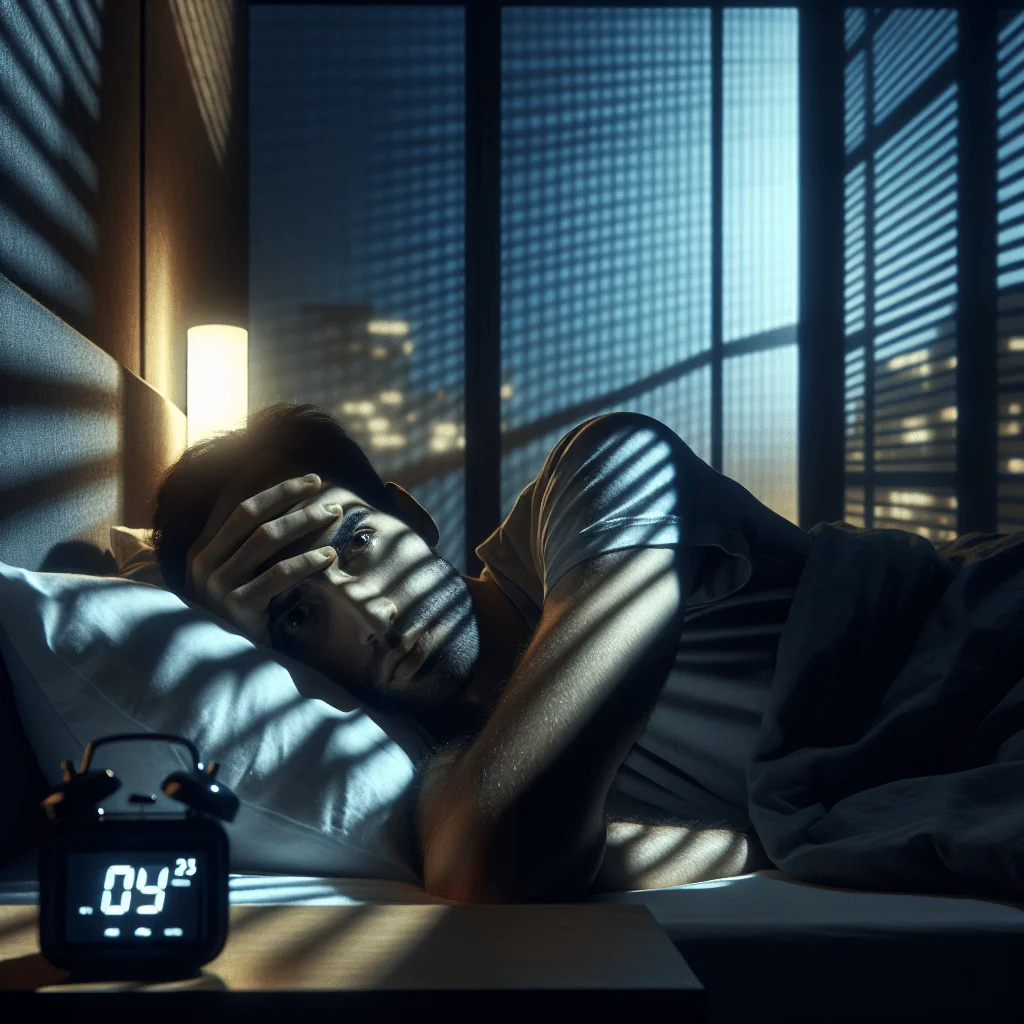
Feeling tired after 8 hours sleep often comes from poor sleep architecture rather than total time. You may have spent less time in deep or REM sleep, or your cycles were broken by frequent wake-ups.
Fragmented sleep can come from stress, alcohol, late caffeine, heavy meals, sleep apnea, or a noisy or bright bedroom. Even if your sleep tracker shows “8 hours,” those hours might be shallow and interrupted.
Why You Wake Up at Night: Architecture and Arousals
Short awakenings between cycles are normal. Most people wake briefly several times a night and fall back asleep so quickly they do not remember. Problems start when these awakenings are long, frequent, or stressful.
Understanding sleep architecture helps here: you are more likely to wake as you move between stages, especially between REM and lighter sleep. If something triggers you at those points, you may fully wake up.
Common Triggers for Night-Time Wake-Ups
Several everyday habits and health issues can push you from light sleep into full wakefulness. Knowing them helps you adjust your routine and protect your cycles.
- Stress and racing thoughts, especially if you worry in bed.
- Blue light and screen use late at night, which delay melatonin.
- Alcohol close to bedtime, which fragments later cycles.
- Caffeine in the afternoon or evening, which blocks deep sleep.
- Sleep apnea symptoms like loud snoring, gasping, or choking.
- Needing the bathroom often due to late fluids or health issues.
If you often wake up gasping, choking, or with a dry mouth and morning headaches, sleep apnea could be affecting your architecture. That pattern reduces deep and REM sleep and can leave you very tired despite long nights in bed.
How to Fall Asleep Fast Without Harming Sleep Architecture
Falling asleep fast is easier when your body clock and sleep drive line up. Sleep drive builds the longer you are awake, while your body clock is set by light, meals, and routine. Good sleep hygiene helps both.
Instead of chasing tricks, aim to give your brain clear signals that night has started. A simple, repeatable pre-sleep routine often works better than any single hack.
Best Bedtime Routine for Adults
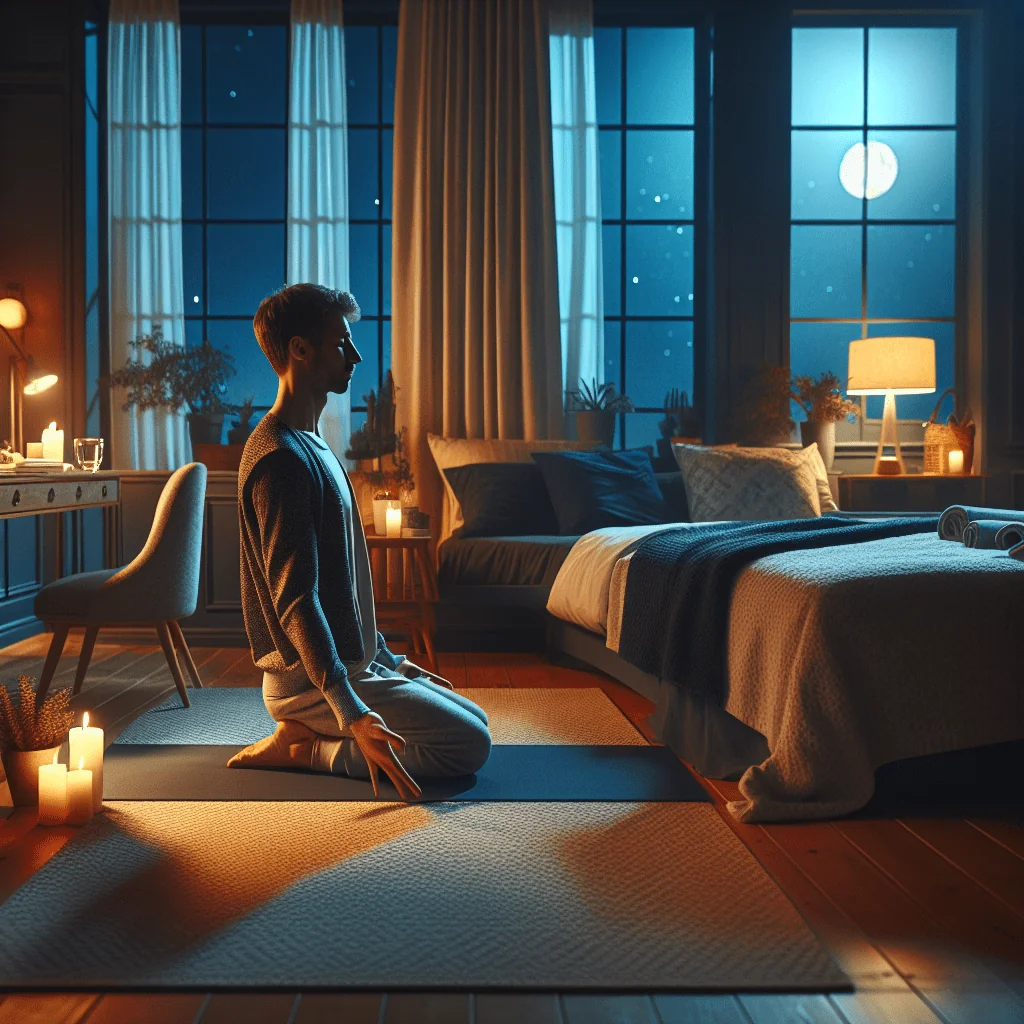
A solid bedtime routine supports smooth entry into the first sleep cycle and sets up more deep sleep early in the night. Think of it as a wind-down sequence, not a strict ritual.
Many adults benefit from 30–60 minutes of quiet, low-light activities before bed. Reading a paper book, light stretching, breathing exercises, or calm conversation all help your brain shift out of “work mode.”
How to Stop Scrolling Before Bed
Endless scrolling keeps your brain alert and your eyes flooded with blue light. Both delay sleep onset and push back your first deep sleep block. That can shrink your total N3 time.
Set a “screen curfew” at least 30–60 minutes before bed. Charge your phone in another room, use a basic alarm clock, and replace late scrolling with a fixed wind-down habit like journaling or reading. The goal is less stimulation, not boredom.
Sleep Hygiene Checklist That Protects Your Sleep Cycles
Sleep hygiene is the set of daily habits that support healthy sleep architecture. Simple changes across your day can improve how quickly you fall asleep and how deep your cycles run.
Use this checklist as a quick daily reference.
- Keep a regular wake-up time, even on weekends.
- Get natural light in your eyes within 1–2 hours of waking.
- Avoid caffeine in the late afternoon and evening.
- Limit alcohol, especially in the last few hours before bed.
- Keep your bedroom cool, dark, and quiet.
- Use your bed only for sleep and sex, not for work or scrolling.
- Stop heavy meals and intense exercise close to bedtime.
- Have a simple, repeatable wind-down routine each night.
- Write down worries earlier in the evening, not in bed.
- Keep naps short and earlier in the day if you take them.
These habits may look basic, but they support the natural timing of your cycles. Over time, they can improve both deep sleep and REM without needing complex tools.
Room Temperature, Light, and Blue Light: Environment and Architecture
Your sleep environment shapes how smoothly you move through stages. Temperature and light are two of the strongest signals your body reads at night.
The best room temperature for sleep is usually on the cooler side. A slightly cool room helps core body temperature drop, which supports deep sleep in early cycles.
Blue Light and Sleep Impact
Blue light from screens and bright LEDs late at night signals “daytime” to your brain. That delays melatonin release and shifts your whole sleep architecture later.
Dim lights in the evening, use warmer bulbs, and reduce direct screen exposure before bed. If you must use screens, lower brightness and use night modes, but remember that content itself can still keep your mind active.
Naps: Are They Good or Bad for Your Sleep Architecture?
Naps are not automatically good or bad. Their effect depends on timing, length, and your night sleep quality. A short daytime nap can ease sleep pressure and support recovery, especially after a short night.
However, long or late naps can reduce your sleep drive at bedtime. That can make it harder to fall asleep and may shift your whole schedule later.
How Naps Affect Deep Sleep and Night-Time Cycles
A brief nap of around 10–20 minutes usually keeps you in lighter stages. That can boost alertness without cutting into night-time deep sleep. Longer naps of 60–90 minutes may include deep sleep and REM.
If you struggle to fall asleep at night or to fix your sleep schedule, keep naps short and early in the day, or skip them for a while to rebuild a strong night-time sleep drive.
How to Fix a Broken Sleep Schedule
Fixing a sleep schedule means shifting your whole sleep architecture earlier or later in a stable way. The most powerful anchor is your wake-up time, not your bedtime.
Pick a realistic wake-up time you can keep every day. Then adjust your bedtime slowly based on when you feel sleepy, rather than forcing sleep too early.
Stepwise Approach to Resetting Your Sleep
A stepwise approach helps you reset your schedule without shocking your system. Small changes are easier for your body clock to accept and keep stable.
- Choose a wake-up time you can keep seven days a week.
- Set an alarm and get out of bed within 10–15 minutes of waking.
- Go outside or to a bright window for light within 1–2 hours.
- Move your bedtime earlier or later by 15–30 minutes every few days.
- Avoid long naps and late caffeine while you adjust your schedule.
- Keep meal times consistent to give your body extra timing cues.
- Stick to the plan even after a poor night to lock in the rhythm.
If you are recovering from sleep deprivation, you may need a few nights of longer sleep. Still, aim to keep wake times steady and let extra sleep happen by going to bed earlier, not by sleeping in very late.
Magnesium, Melatonin, and Supplements: Do They Change Architecture?
Many people look at magnesium for sleep or melatonin dosage for sleep as quick fixes. These can affect sleep onset and quality, but they do not replace healthy sleep architecture.
Magnesium may help some people feel more relaxed, especially if they are low in magnesium or have muscle tension. Its effect is usually mild and works best alongside good habits.
Melatonin and Sleep Timing
Melatonin is a hormone that helps signal “night” to your brain. Low doses, taken at the right time, can shift sleep timing or help with jet lag. Very high doses or random timing can leave you groggy and may not improve deep sleep.
If you use melatonin, think of it as a timing tool, not a sedative. Always keep the focus on light exposure, routine, and environment first. Those factors shape your cycles more strongly than any supplement.
Why Stress and Recovery Habits Matter for Sleep Architecture
Stress hormones and recovery habits after workouts have a direct impact on sleep stages. High stress and late intense training can keep your nervous system wired when you need it calm.
On the other hand, smart rest days and balanced training support deeper sleep and better cycles.
How to Reduce Stress for Better Sleep
Simple daily stress-reduction habits can lower night-time arousal. Breathing exercises, light stretching, journaling, or talking through worries earlier in the evening all help.
Try to keep heavy problem-solving and emotional conversations away from your last hour before bed. Give your brain time to shift from “solve” mode to “rest” mode.
Rest Days and Workout Recovery
Hard training increases the body’s need for quality deep sleep. Rest days, how many you need, and how you use them, all feed into that. Most people do well with at least one full rest or light activity day per week.
Late high-intensity workouts can delay sleep onset and raise body temperature. If possible, keep very intense sessions earlier in the day and use evenings for lighter movement or stretching.
How to Track Sleep Architecture Accurately Enough to Be Useful
Many devices claim to track deep sleep, REM, and cycles. They can give rough patterns, but they are not as precise as clinical sleep studies. Treat the data as trends, not strict truth.
Focus on broad signals: total sleep time, regularity, time in bed, and how rested you feel. Look for patterns over weeks, not single nights. If your tracker and your body both say you are tired and fragmented, that pattern is worth addressing.
Key Sleep Factors at a Glance
The table below summarizes how common habits and conditions affect your sleep architecture and overall rest.
| Factor | Main Effect on Sleep Architecture | Practical Tip |
|---|---|---|
| Sleep duration (hours) | Too little time cuts off later REM cycles. | Aim for enough time to allow 4–6 full cycles. |
| Naps | Long or late naps reduce night-time sleep drive. | Keep naps short and early if you struggle at night. |
| Blue light exposure | Delays melatonin and shifts cycles later. | Reduce screens and bright light in the last hour before bed. |
| Room temperature | Warm rooms make deep sleep harder to reach. | Keep your bedroom slightly cool and use breathable bedding. |
| Stress level | Raises arousal and causes more night-time wake-ups. | Use a brief wind-down routine to lower stress each evening. |
| Sleep apnea | Frequent breathing pauses fragment deep and REM sleep. | Watch for loud snoring, gasping, and morning headaches. |
| Magnesium and melatonin | May ease sleep onset or timing but do not fix poor habits. | Use only as support; focus on schedule and environment first. |
Seeing these factors side by side makes it easier to spot which changes might give you the biggest improvement in how rested you feel in the morning.
Putting It All Together: Building Healthier Sleep Architecture
Understanding sleep architecture shows that good sleep is about more than a single number of hours. You need enough complete cycles, with a healthy mix of light sleep, deep sleep, and REM, in a stable pattern.
Support that structure by keeping a consistent schedule, protecting your evenings from bright light and heavy stimulation, using naps wisely, managing stress, and treating possible issues like sleep apnea. Over time, these choices help your brain rebuild strong, stable sleep architecture and leave you feeling more rested each morning.