
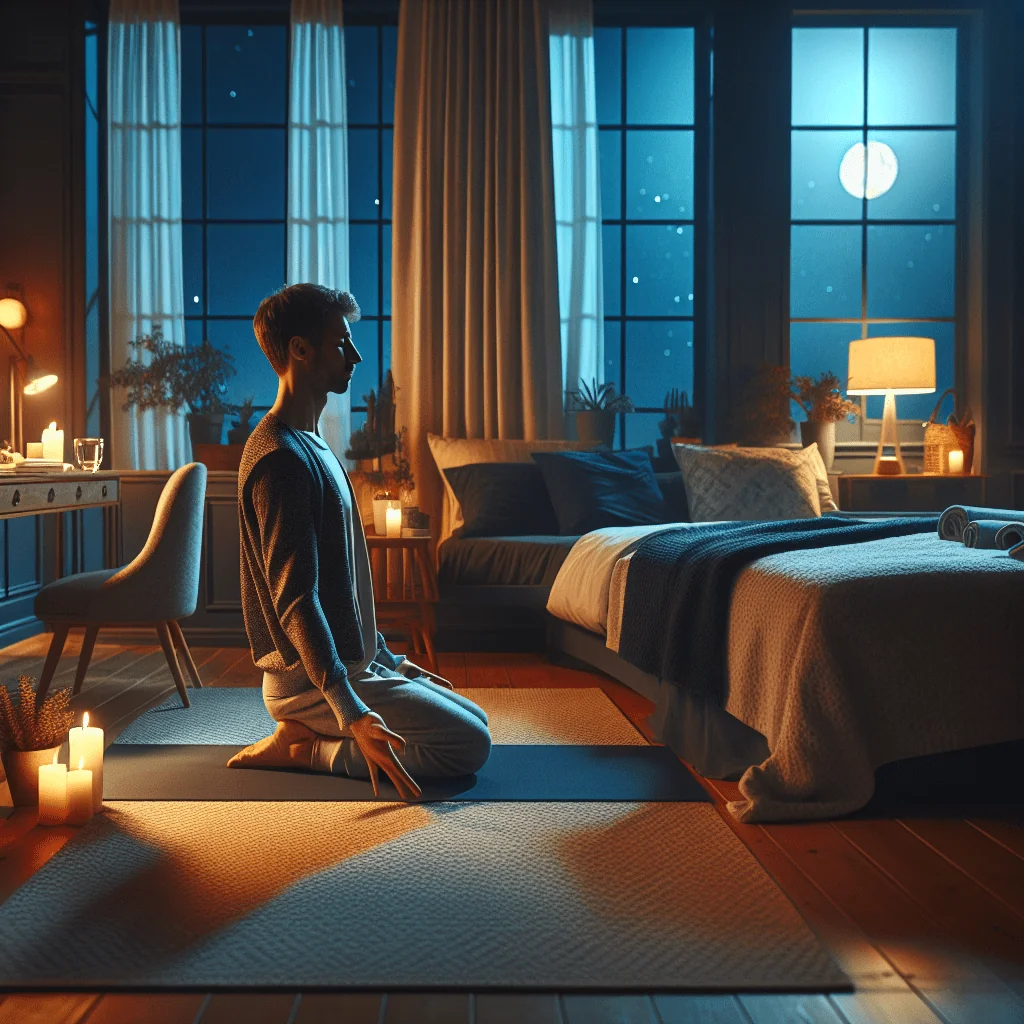
Yoga Poses to Promote Sleep: Gentle Moves for Deeper Rest
Yoga Poses to Promote Sleep: A Simple Night Routine That Really Calms You Down Gentle yoga poses to promote sleep can calm your mind, relax tight muscles, and...
In this article
Gentle yoga poses to promote sleep can calm your mind, relax tight muscles, and signal your body that the day is over. A short, slow sequence before bed can support healthy sleep hygiene, reduce stress, and make it easier to fall asleep fast without relying on supplements or screens for distraction.
This guide walks you through a simple bedtime yoga routine, explains why it helps, and shows how to combine it with smart sleep habits. You will learn about a sleep hygiene checklist, how to fix your sleep schedule, how many hours of sleep you may need, and how to improve deep sleep so you wake up more refreshed.
Why Bedtime Yoga Helps You Fall Asleep Faster
Many people lie in bed asking, “How do I fall asleep fast?” while their thoughts race. Gentle yoga slows breathing, eases tension in the neck, back, and hips, and shifts the nervous system into a calmer state. This makes it easier for your body to move toward sleep instead of staying in alert mode.
How Yoga Affects Stress and Deep Sleep
Slow movement and steady breathing activate the body’s relaxation response. Muscles soften, heart rate drops, and your mind has fewer racing thoughts. This calm state supports deep sleep, which is vital for recovery after workouts, memory, and mood. A short yoga session before bed can raise your chances of getting more deep sleep even if your total sleep time stays the same.
Yoga as Part of Sleep Hygiene
Yoga before bed also supports better sleep hygiene. A predictable routine tells your brain that sleep is coming. Over time, your body starts to feel sleepy as soon as you roll out the mat, just like it might feel awake when you make coffee in the morning. This link between a cue (yoga) and a result (sleep) is one of the simplest ways to improve your sleep quality.
Safety Tips Before Trying Yoga Poses to Promote Sleep
Bedtime yoga should feel gentle and safe. You do not need to be flexible, strong, or experienced. If any pose causes pain, skip it or adjust the position with more support. Move slowly and breathe through your nose when you can, especially if you tend to breathe fast when stressed.
When to Be Extra Careful
If you have health issues such as severe back pain, recent surgery, high blood pressure, pregnancy, or sleep apnea symptoms, speak with a health professional before trying new poses. Signs of sleep apnea can include loud snoring, gasping at night, morning headaches, or feeling tired after 8 hours of sleep. Yoga can help you relax, but medical problems still need medical care.
Making Poses Comfortable for Your Body
Use pillows, folded blankets, or cushions to support your knees, lower back, or head. If kneeling hurts, place extra padding under your knees or choose a seated version of the pose. The goal is ease and comfort, not stretching to your limit. If your breathing feels strained, come out of the pose and rest in a neutral position.
Sleep Hygiene Checklist to Support Your Yoga Routine
Before learning the poses, use this quick sleep hygiene checklist to set up a sleep-friendly environment and support deeper rest. These steps work with yoga to form the best bedtime routine for adults.
- Stop heavy meals and intense exercise at least 2–3 hours before bed.
- Dim lights and reduce screen use to limit blue light and sleep disruption.
- Set your bedroom to a cool, comfortable temperature, often around 18–20°C (64–68°F) for many adults.
- Change into loose, warm clothing that allows easy movement.
- Gather props: a pillow, folded blanket, or cushion for support.
- Decide on a fixed bedtime and wake time to help fix your sleep schedule.
- Silence non‑essential notifications to help you stop scrolling before bed.
- Keep the room quiet and dim, or use an eye mask if needed.
These small steps, combined with gentle yoga, form a simple routine that supports falling asleep faster and staying asleep longer. They also help you recover from sleep deprivation by giving your body a regular window for rest.
Step‑by‑Step Bedtime Yoga Flow for Better Sleep
This short sequence includes yoga poses to promote sleep that focus on slow breathing and gentle stretching. You can do it on a mat or even on your bed, as long as the surface feels stable and you feel safe.
Calming Sequence to Wind Down Your Body
Follow these steps in order, moving slowly and staying aware of your breath. If you feel very tired, shorten each pose and focus more on breathing than stretching.
-
Seated Belly Breathing (2–3 minutes)
Sit cross‑legged or on a chair with your feet flat. Place one hand on your chest and one on your belly. Inhale through your nose so your belly rises gently, then exhale slowly so your belly falls. Keep the shoulders relaxed and the jaw soft. This simple breathing calms the nervous system and prepares you for deeper poses. It also helps reduce stress for better sleep, especially after a long or anxious day. -
Cat–Cow Stretch (1–2 minutes)
Move to your hands and knees, wrists under shoulders and knees under hips. Inhale and gently arch your back, lifting your chest and tailbone (Cow). Exhale and round your spine, tucking your chin and tailbone (Cat). Move slowly, matching breath to movement. This pose eases stiffness in the spine and can help if you wake up at night with back tension or feel tight after sitting all day. -
Child’s Pose (3–5 minutes)
From hands and knees, bring your big toes together and knees wide or hip‑width. Sit back toward your heels and fold your torso forward. Rest your forehead on the bed, mat, or a pillow. Arms can stretch forward or rest by your sides, palms up. Breathe slowly into your back and sides. This is one of the most soothing yoga poses to promote sleep because it gently relaxes the hips, shoulders, and low back. -
Reclined Figure‑Four (2–3 minutes each side)
Lie on your back with knees bent and feet on the floor or bed. Cross your right ankle over your left thigh, forming a “4” shape. Stay here or gently pull the left thigh toward your chest. Keep your head and shoulders relaxed, then switch sides. This pose opens the hips and glutes, which can improve comfort in bed and support deeper sleep, especially if you sit a lot or do heavy lower‑body workouts. -
Supine Twist (2–3 minutes each side)
Lying on your back, hug both knees toward your chest. Let both knees drop to the right while you extend your arms out in a “T” or cactus shape. Turn your head gently to the left if your neck allows. Breathe into your ribs and belly, then repeat on the other side. Gentle twists can ease lower back tension and help your body shift from active to restful, which supports better deep sleep. -
Legs Up the Wall or Bed Headboard (5–10 minutes)
Sit sideways near a wall or headboard, then swing your legs up so your hips are close and your back rests on the bed or floor. Arms rest by your sides, palms up. Close your eyes and breathe slowly. If your hamstrings feel tight, slide a bit away from the wall. This pose is excellent for calming the nervous system and easing tired legs after long days or intense workouts. It can also be part of your recovery habits after workouts and on rest days. -
Supported Reclined Bound Angle (5–10 minutes)
Lie on your back. Bring the soles of your feet together and let your knees drop outward like a butterfly. Place pillows or folded blankets under each knee for support. Rest your hands on your belly or by your sides. Soften your jaw and face. This gentle opening of the hips and chest helps release physical stress and can make you feel more ready for sleep. -
Final Rest or Slide Directly into Sleep (5–10 minutes)
Stretch your legs long and let your feet fall open. Place a pillow under your knees if your back feels tight. Rest your arms slightly away from your body, palms up. Close your eyes and notice your breath. If you feel sleepy, roll to your side and move into your usual sleep position. Over time, your brain links these poses with rest, which helps you fall asleep faster and stay asleep.
This simple flow can take 15–30 minutes, depending on how long you hold each pose. Adjust the timing to match how tired you feel and how much time you have before bed.
How Much Sleep You Need and Why You Wake Up at Night
Yoga is one piece of a bigger sleep plan. To feel rested, you need the right mix of total sleep time, deep sleep, and REM sleep. Many adults feel best with about 7–9 hours per night, but needs vary. If you wonder, “How many hours of sleep do I need?” track how you feel during the day as you adjust your sleep window.
Common Reasons You Wake Up at Night
Even with relaxing yoga poses to promote sleep, you might wake up at night. Common reasons include stress, noise, light, late caffeine, alcohol, or a room that is too hot or too cold. The best room temperature for sleep is usually cool, so consider lowering the thermostat or using lighter blankets if you wake up sweaty or restless.
Sleep Apnea and Other Sleep Problems
Repeated waking with choking, gasping, or loud snoring can be a sign of sleep apnea. Other symptoms include morning headaches, dry mouth, and feeling tired after 8 hours of sleep. If you suspect sleep apnea, speak with a doctor or sleep specialist. Yoga can support relaxation and weight management for some people, but it does not replace medical care for breathing problems during sleep.
Deep Sleep, Naps, and Fixing a Broken Sleep Schedule
Many people ask, “Why am I tired after 8 hours sleep?” The answer often relates to sleep quality, not just quantity. If your deep sleep and REM sleep are short or broken, you may still feel exhausted. Nighttime yoga can help improve deep sleep by easing stress and tension before you lie down.
Naps: Good or Bad for Your Sleep?
Naps are not always good or bad; the effect depends on timing and length. Short naps earlier in the day may support recovery after sleep deprivation or hard workouts. Long or late naps, however, can make it harder to fall asleep at night and may upset your sleep schedule. If you struggle to fall asleep fast, try limiting naps to about 20–30 minutes and avoid napping late in the afternoon.
How to Fix a Shifted Sleep Schedule
To fix a sleep schedule, move your bedtime and wake time slowly, about 15–30 minutes earlier or later every few days. Keep wake time steady, even on weekends, and get bright light in the morning. Use your bedtime yoga routine as a signal that sleep is coming. If you are recovering from sleep deprivation, aim for a consistent schedule plus extra time in bed for a few nights.
Supplements, Screens, and Blue Light Impact on Sleep
Many people try magnesium for sleep or melatonin to fall asleep. Some find that magnesium helps relax muscles and reduce cramps. Melatonin can support sleep timing, especially after jet lag or shift changes. For melatonin dosage for sleep, many adults do well with a low dose, but you should speak with a health professional about what is safe for you.
How to Stop Scrolling Before Bed
No supplement can fully undo the impact of bright screens and late‑night scrolling. Blue light from phones and tablets tells your brain to stay awake and can delay melatonin release. To stop scrolling before bed, set a “digital sunset” at least 30–60 minutes before sleep. Charge your phone outside the bedroom if possible, or use airplane mode and place it out of reach.
Using Yoga Instead of Late‑Night Screen Time
Replace scrolling with your yoga poses to promote sleep, reading on paper, or quiet conversation. If your mind feels busy, try a short journaling session before yoga to dump worries onto paper. This swap reduces blue light exposure and gives your brain a clear path from wakefulness to rest.
Yoga, Recovery Days, and Tracking Your Sleep
Gentle yoga before bed can support recovery habits after workouts, especially on rest days. If you ask, “Rest days, how many do I need?” the answer depends on your training load, age, and health, but most people benefit from at least one or two lighter days each week. On those days, slow yoga and an early bedtime can help your body repair muscles and lower stress.
How to Track Sleep Accurately
To see if your new routine works, learn how to track sleep accurately. You can use a simple sleep diary, writing down your bedtime, wake time, night awakenings, naps, and how you feel the next day. Some people use devices to track sleep stages, but these are estimates, not exact medical data. Focus on trends: do you fall asleep faster, wake less, and feel more rested over several weeks?
Comparing Key Sleep Habits in One View
The table below compares several key sleep habits and how they support better rest alongside your yoga routine.
| Habit | Main Benefit | Best Timing |
|---|---|---|
| Bedtime yoga sequence | Reduces stress and muscle tension; supports deep sleep | 15–30 minutes before getting into bed |
| Fixed sleep schedule | Stabilizes body clock; helps you fall asleep faster | Same bedtime and wake time every day |
| Limiting blue light | Supports natural melatonin release | Last 1–2 hours before sleep |
| Short daytime nap | Helps recovery after poor sleep or hard workouts | Early afternoon, 20–30 minutes |
| Cool room temperature | Prevents overheating and night awakenings | All night; set before starting yoga |
Use this overview to decide which habit to focus on first. You do not need to change everything at once; adding one or two new habits to your yoga routine can still make a clear difference in how rested you feel.
Putting It All Together for Calm, Consistent Sleep
A short session of yoga poses to promote sleep, done in a cool, dark room with screens off, can be a powerful part of your bedtime routine. Combine this with a steady sleep schedule, careful use of naps, low blue light exposure, and simple stress‑reduction habits like journaling or slow breathing.
Building a Routine You Can Keep
Start with a realistic plan: maybe three poses and five minutes of breathing each night. As the routine becomes easier, add more poses or extend the time. If you stay patient and repeat the same steps most nights, your body will start to expect sleep at that time. Over weeks, you may fall asleep faster, wake less often, and feel more refreshed in the morning, with or without supplements.